


10 Corporate Disasters From The 1980s That Still Haunt Brand Managers
10 Corporate Disasters From The 1980s That Still Haunt Brand Managers

Philip UwaomaSat, August 15, 2026 at 9:37 PM UTC
0
During the 1980s, businesses had bigger advertising budgets, bolder executives, and a growing conviction that clever marketing could transform almost anything into a winner. But the decade also produced corporate disasters so spectacular that brand managers still study them today. From poisoned products to catastrophic product launches, here are 10 failures that showed just how fast a business can lose public trust.
1. New Coke’s Identity Crisis
Roger Ressmeyer / Getty Images
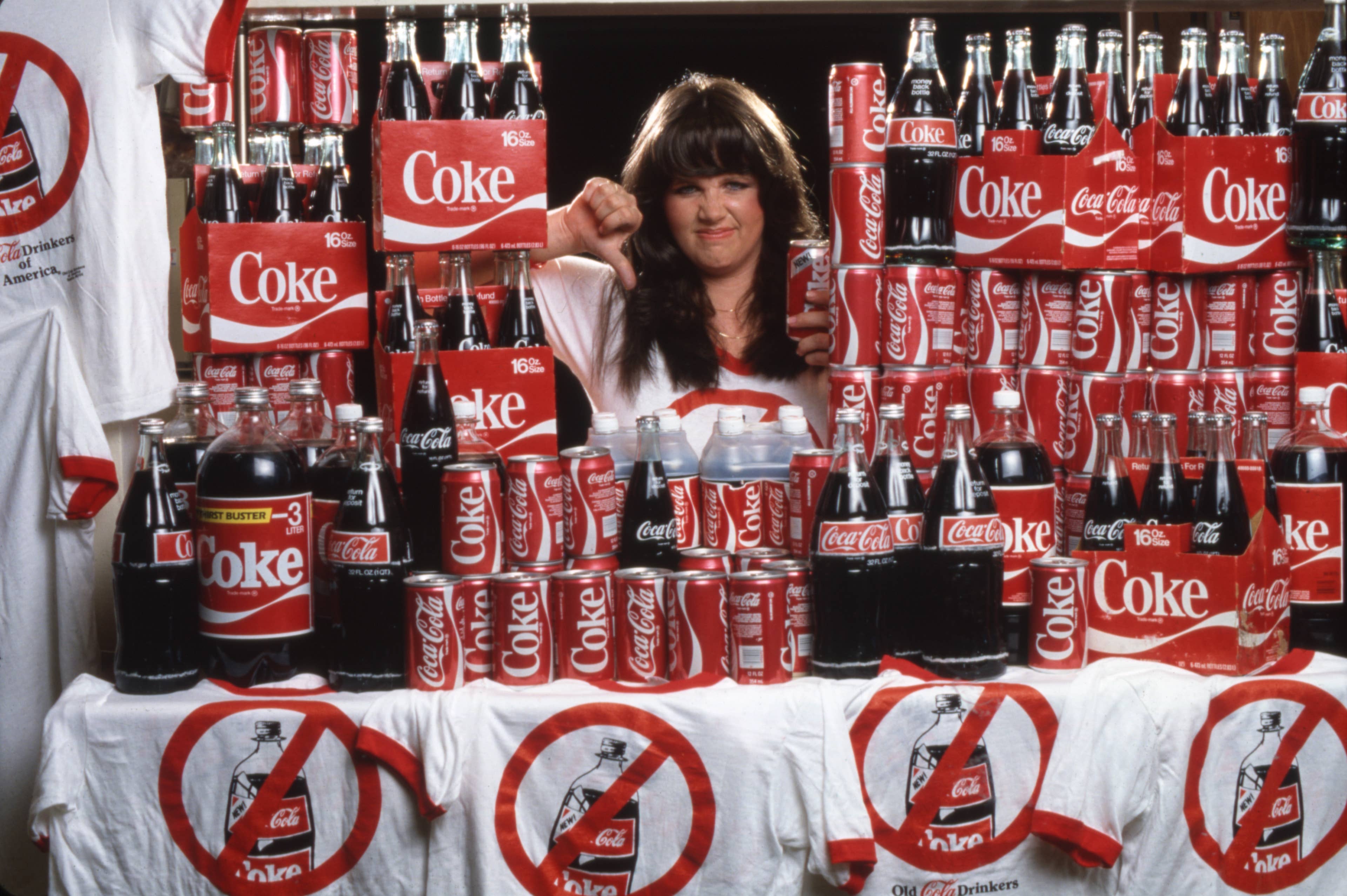
In 1985, Coca-Cola changed its most recognizable formula after years of losing ground to Pepsi. The new drink, dubbed New Coke, passed taste tests, yet consumers reacted with fury. Coke eventually restored the original formula as Coca-Cola Classic. The lesson was brutal: consumers can develop an emotional attachment to a product that goes far beyond its ingredients.
2. The Tylenol Poisoning Crisis
Boston Globe / Getty Images
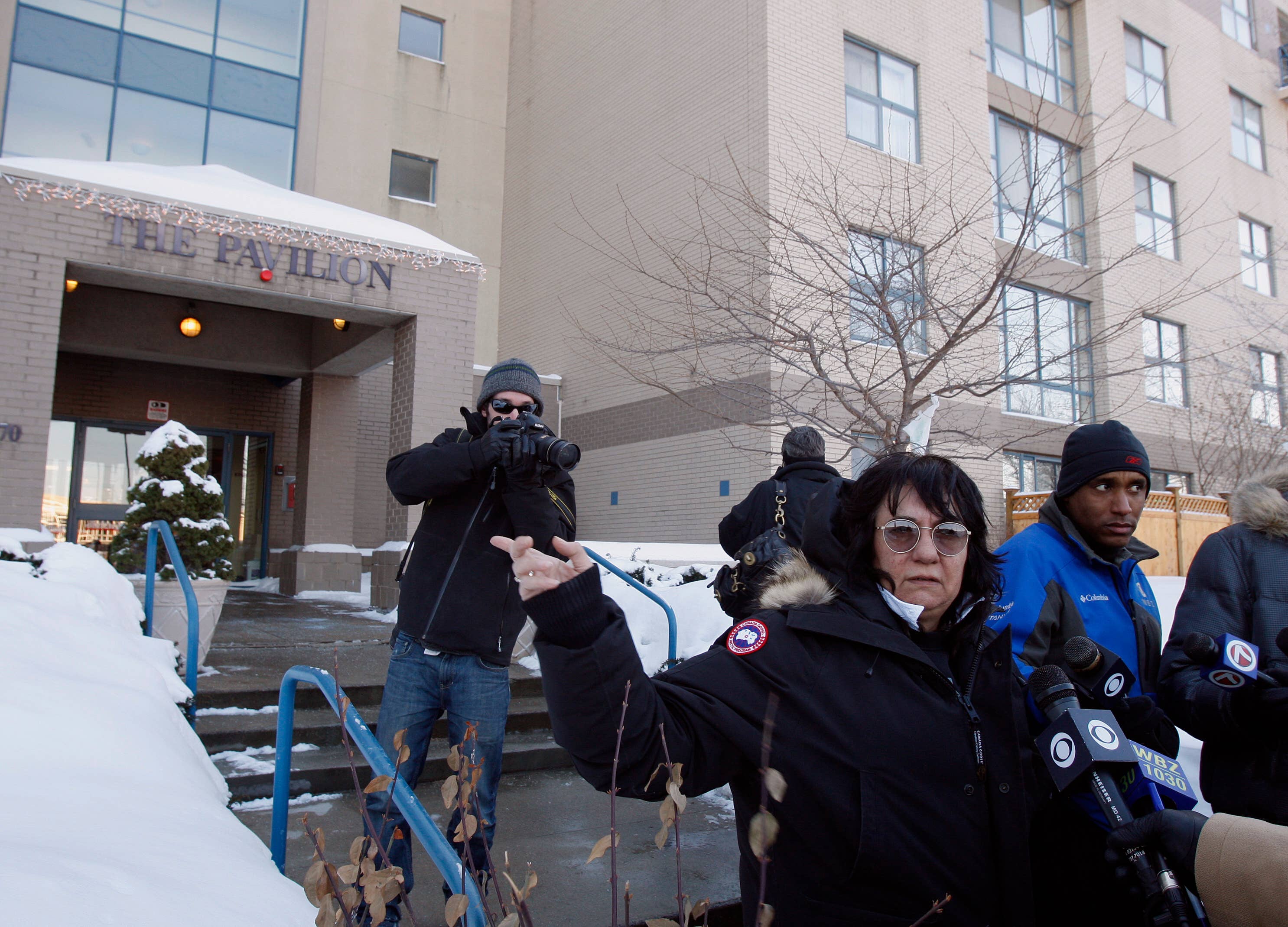
Johnson & Johnson weathered a nightmarish crisis in 1982 when seven people in the Chicago area died after taking cyanide-laced Tylenol capsules. The company recalled millions of bottles and introduced tamper-resistant packaging. The financial hit was enormous, but the response became a landmark in crisis management because consumer safety took priority over protecting the product’s immediate sales.
3. Ford’s Pinto Explosion Problem
Bettmann / Getty Images
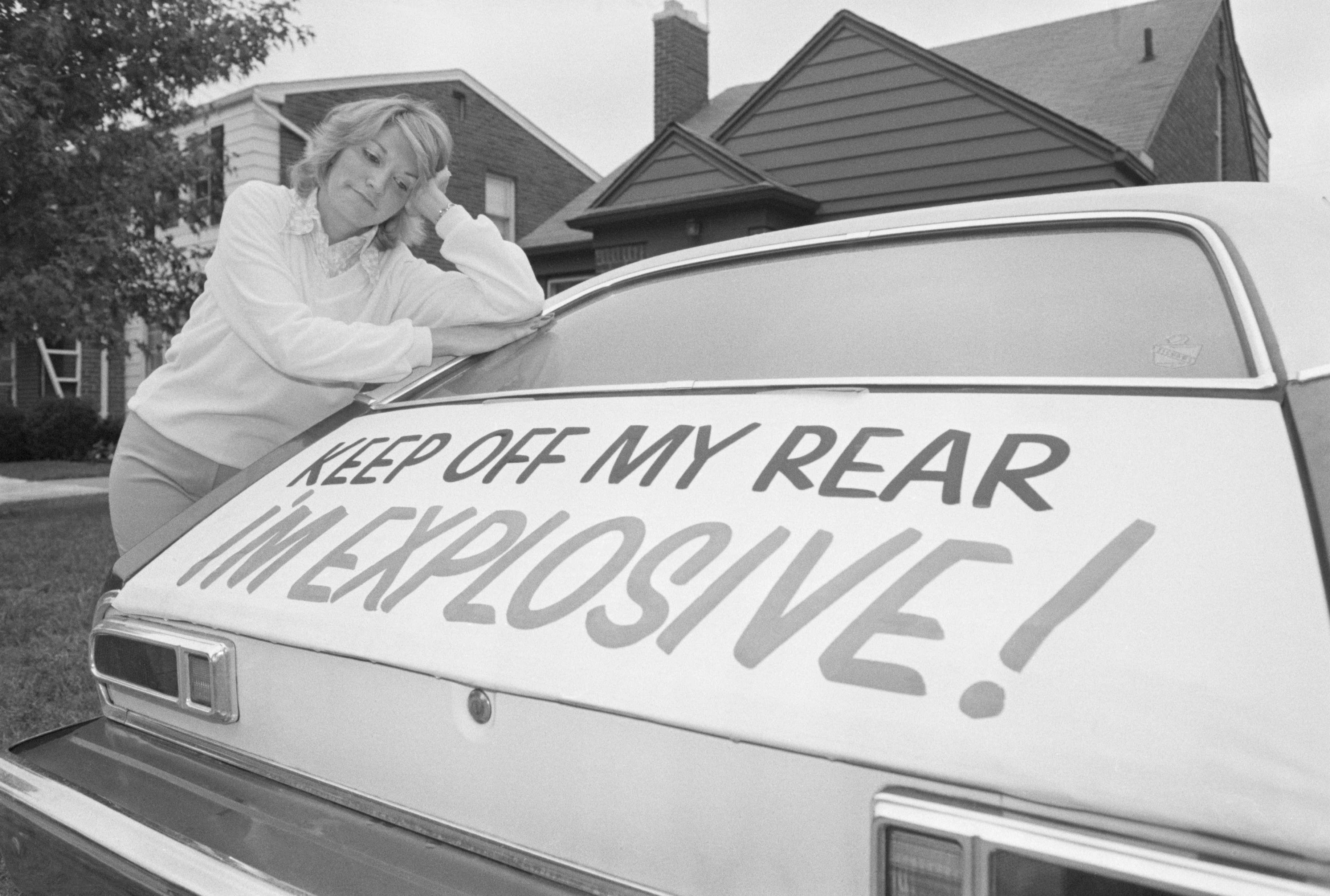
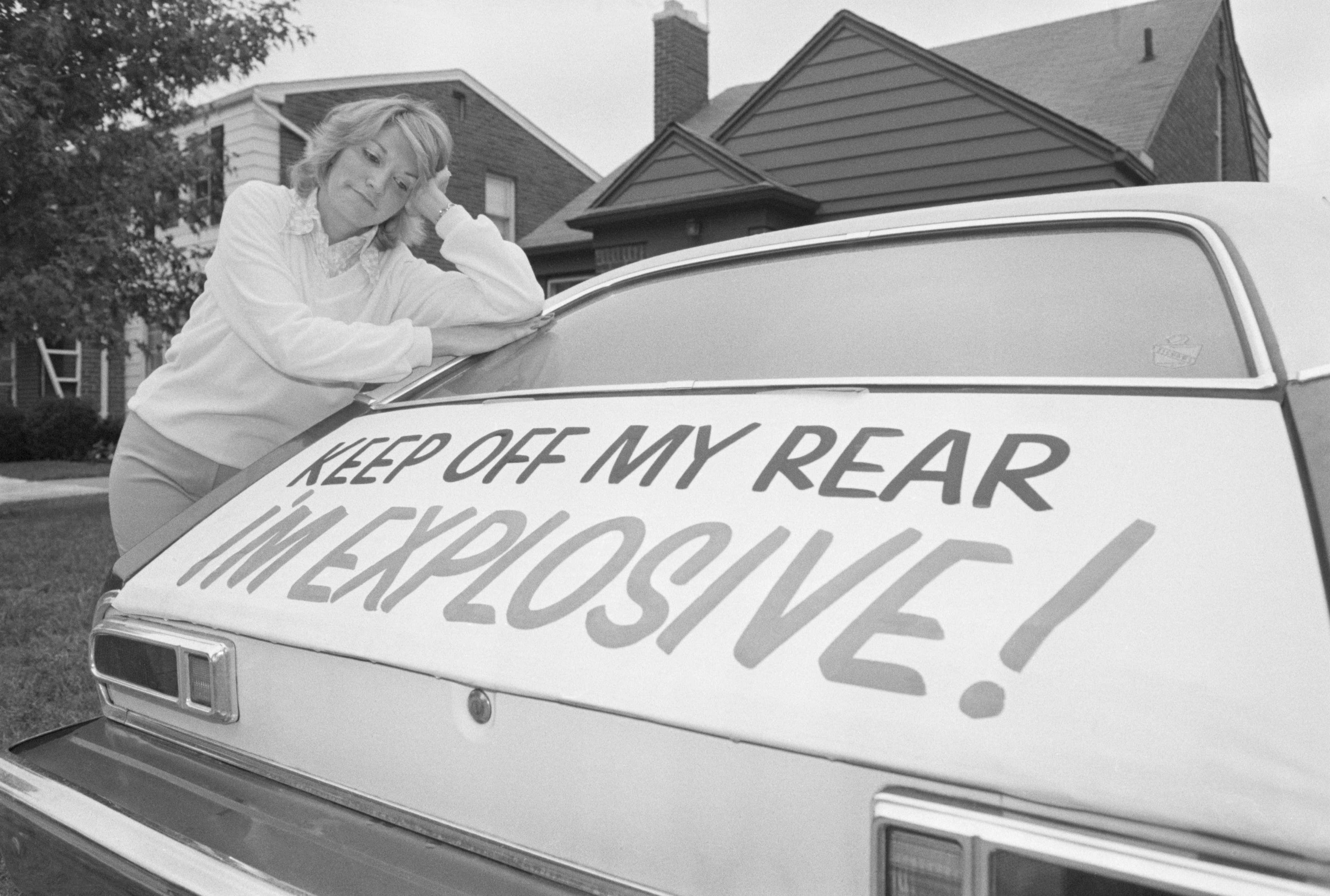
Ford’s Pinto became synonymous with corporate cost-cutting after reports that rear-end collisions could cause fuel tanks to rupture and ignite. Lawsuits and investigations turned the inexpensive car into a public-relations catastrophe. For brand managers, the Pinto remains an example of how a safety controversy can become permanently attached to a product’s identity.
4. The DeLorean Disaster
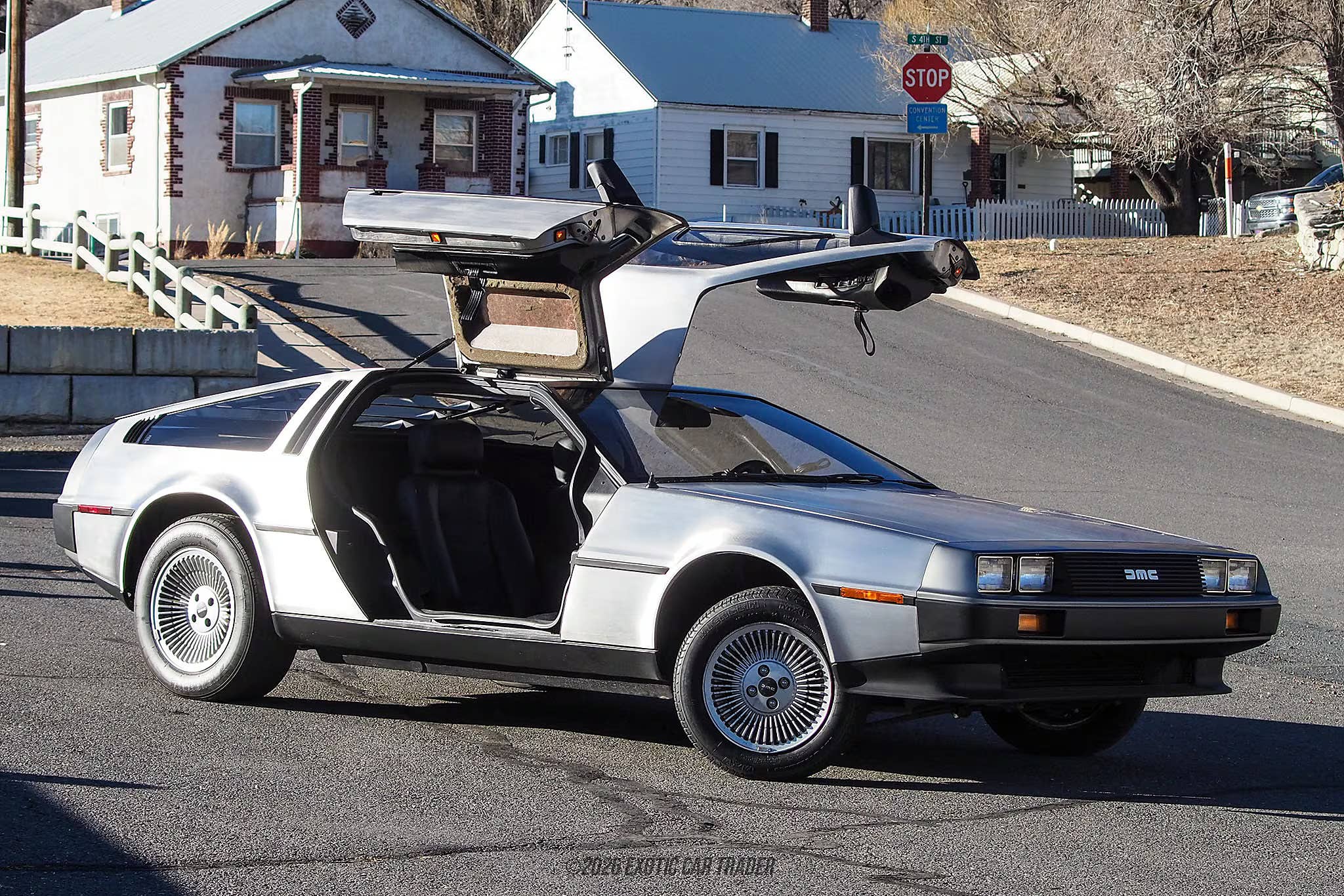
John DeLorean’s stainless-steel sports car looked like something from another planet, especially after appearing in Back to the Future. But the company struggled with production problems, financial difficulties and weak sales. Its spectacular collapse demonstrated that futuristic styling can’t save an unstable business model.
5. Atari’s Video Game Crash
Photology1971 / Getty Images
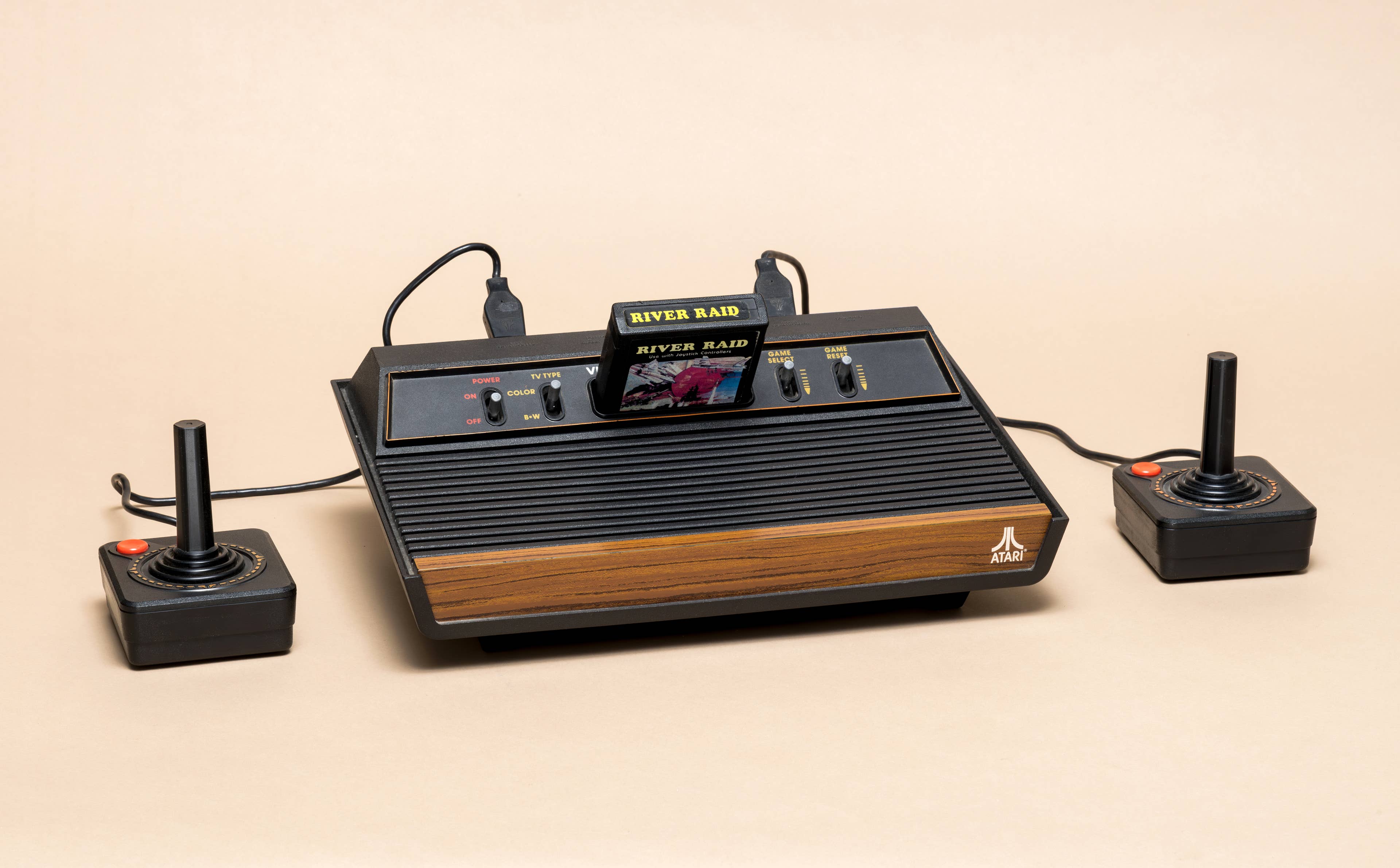
Atari helped define the early home-console boom, only to become one of its biggest casualties. An avalanche of poorly received games, intense competition, and consumer fatigue contributed to the 1983 video game crash. The famous destruction of unsold E.T. cartridges became corporate folklore.
Advertisement
6. Union Carbide’s Bhopal Catastrophe

Pallava Bagla / Getty Images
The 1984 gas leak at Union Carbide’s pesticide plant in Bhopal, India, killed thousands and injured many more. The disaster became one of history’s worst industrial tragedies and permanently damaged the company’s reputation. It demonstrated that corporate responsibility does not stop at the factory gate.
7. Pepsi’s Kendall Jenner Misfire
One caveat: this disaster belongs to 2017, not the 1980s. But it deserves a spot on this list as glaring proof that the industry’s old lessons keep resurfacing. Pepsi’s controversial advertisement demonstrated how a supposedly positive message can collapse when audiences believe a brand is trivializing serious social issues.
8. IBM’s PC Miscalculation
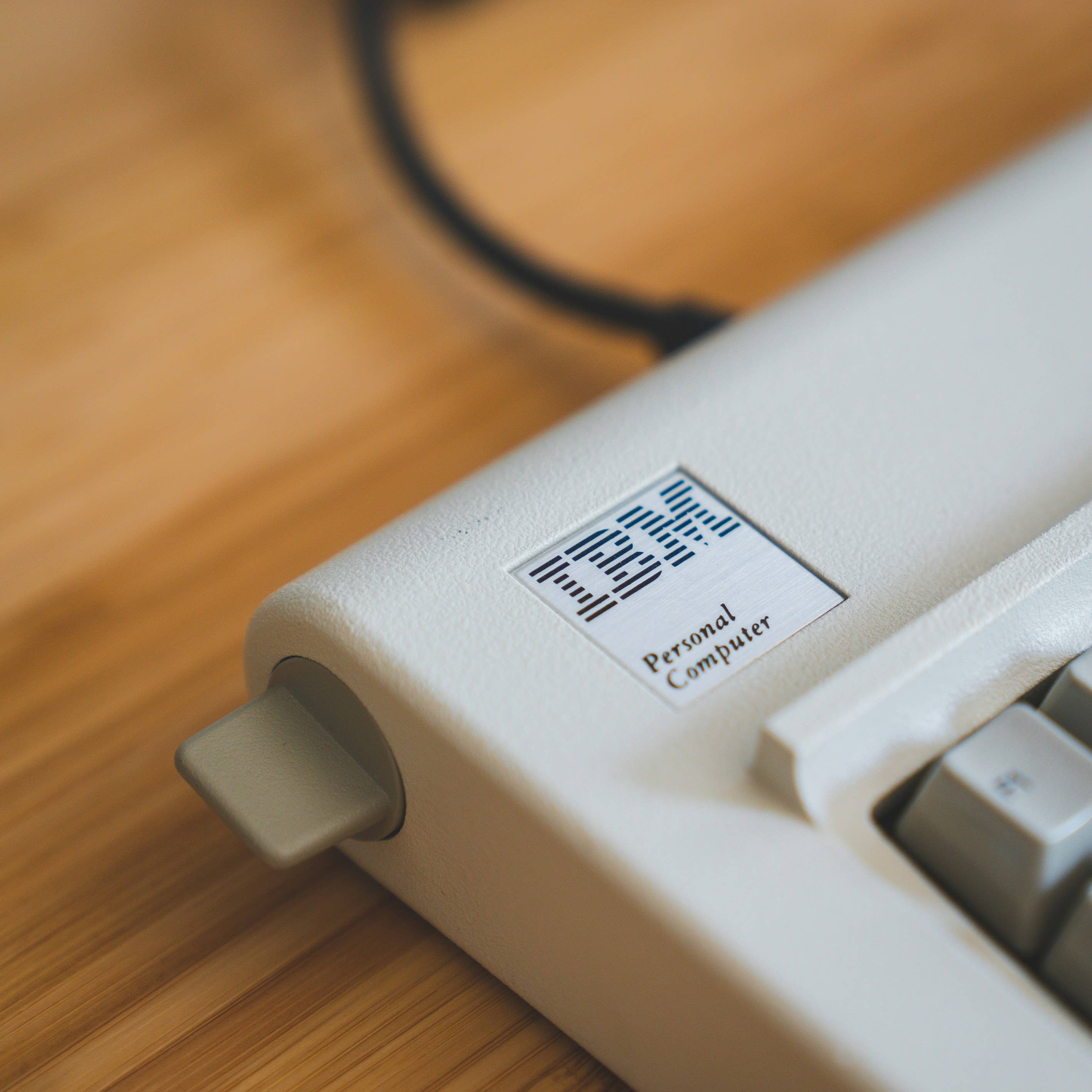
Photo bySam PakonUnsplashPhoto by Sam Pak on Unsplash
IBM’s personal computer transformed the industry, but its decision to rely heavily on outside suppliers helped competitors build machines compatible with its platform. IBM created a market it could not fully control. For modern brand managers, it is a classic lesson in how strategic openness can eventually weaken a company’s dominance.
9. The Challenger Disaster
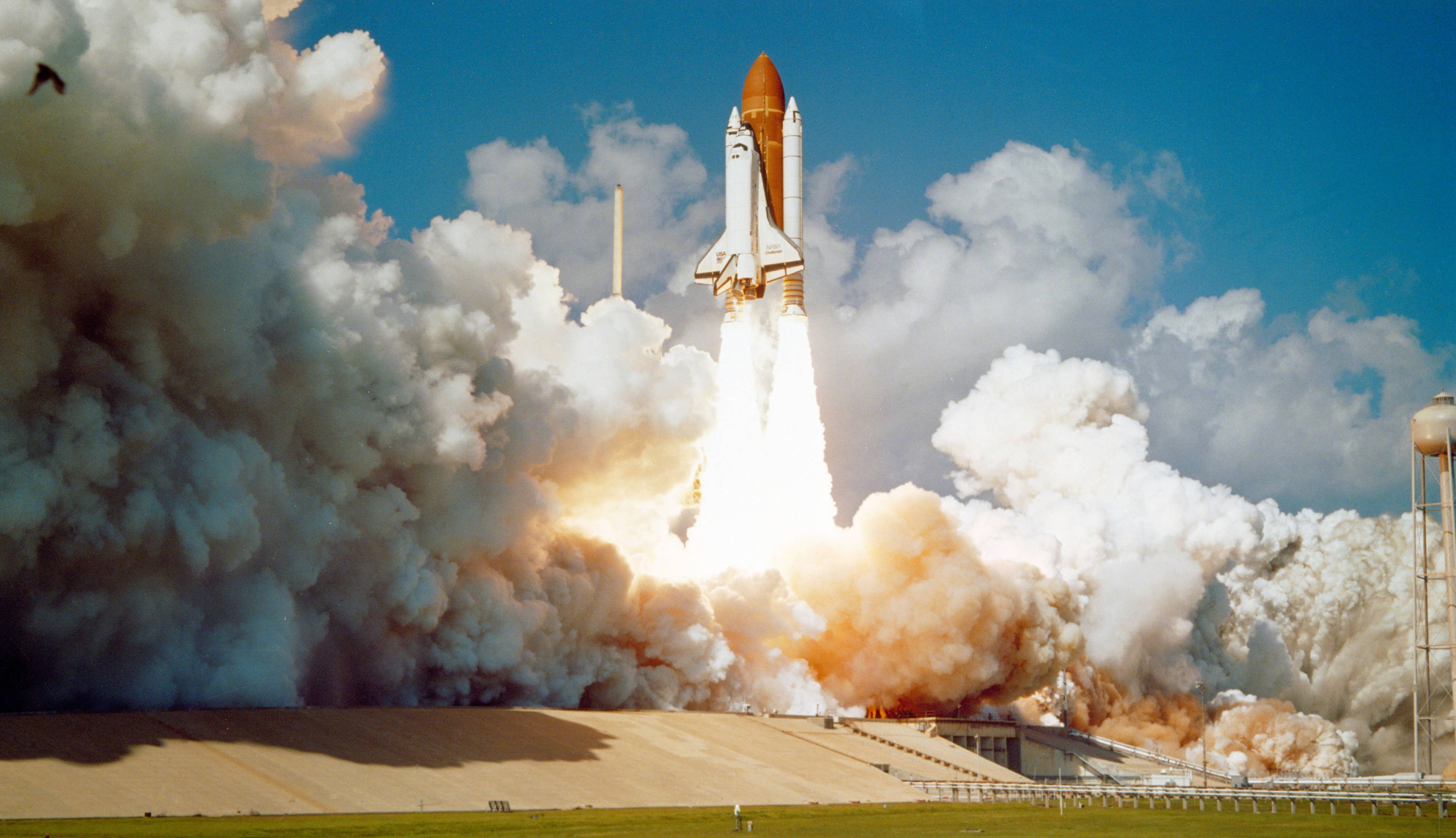
Photo byNASAonUnsplashPhoto by NASA on Unsplash
NASA is not a conventional consumer brand, but the 1986 Challenger explosion became a devastating institutional communications crisis. Millions watched the launch live before the shuttle broke apart. Questions about engineering warnings, organizational culture and decision-making damaged public confidence in NASA and showed how corporate reputation can be shaped by internal failures.
10. Perrier’s Benzene Scare
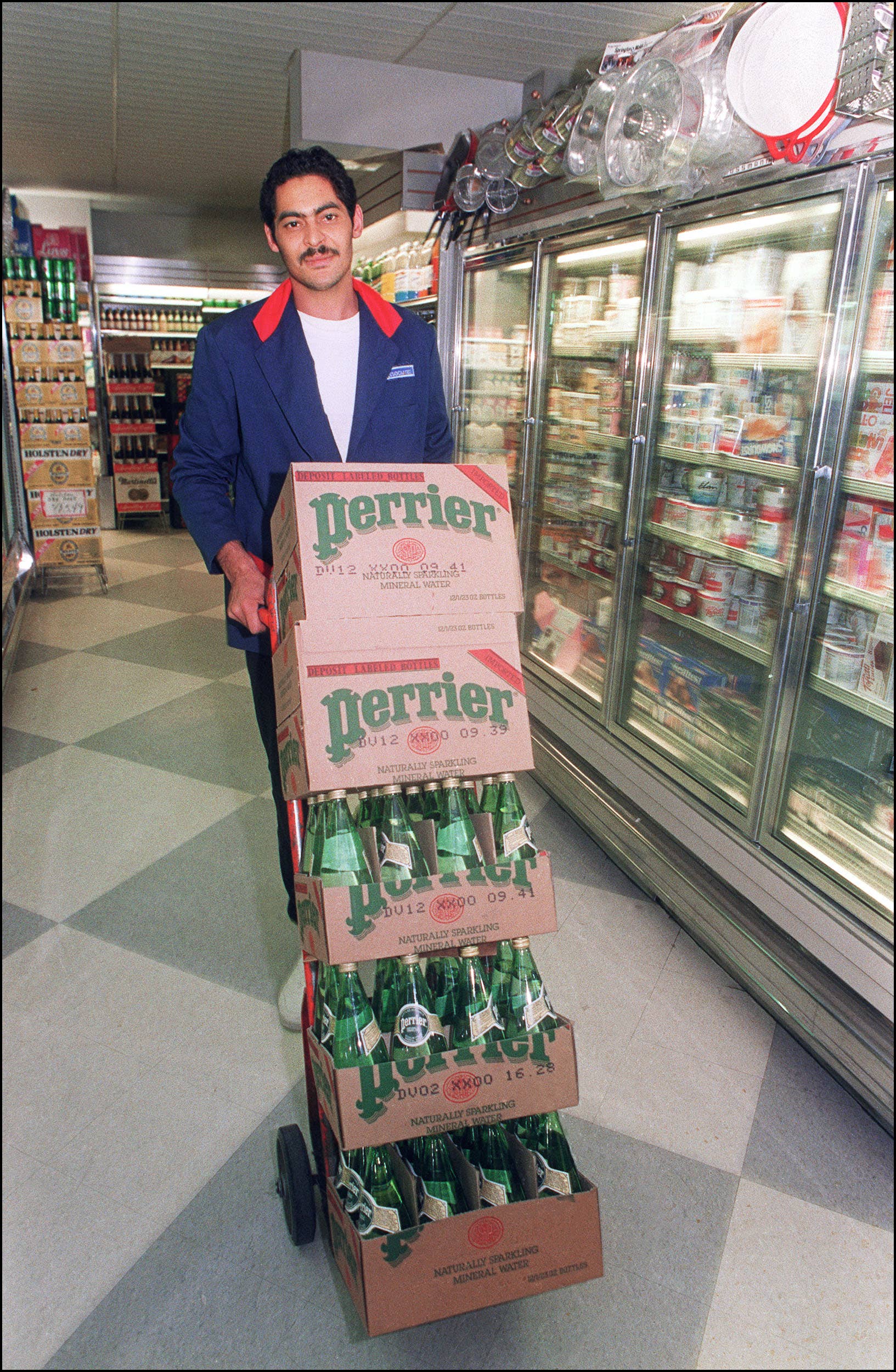
BILL SWERSEY / Getty Images
In 1990, technically outside the decade, Perrier recalled millions of bottles after benzene contamination was discovered. The incident is worth mentioning because it exposed the growing importance of product purity and crisis communication heading into the new decade.
This story was originally published by Men's Journal on Aug 15, 2026, where it first appeared in the News section. Add Men's Journal as a Preferred Source by clicking here.
Source: “AOL Money”
