


16 Movies That Ended Up Absolutely Torpedoing An Actor's Career
16 Movies That Ended Up Absolutely Torpedoing An Actor's Career

Bryan WolfeSun, August 16, 2026 at 2:16 AM UTC
0
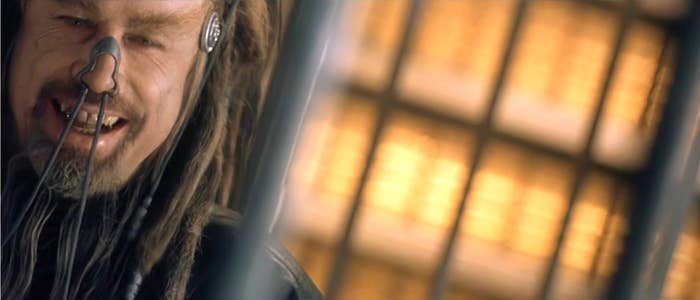
Even the biggest stars have a movie they'd probably like everyone to forget. Sometimes it's a passion project that went catastrophically wrong. Sometimes it's a critical drubbing so brutal, the box office numbers barely matter. And sometimes the movie itself made money, but the backlash still ended up costing an actor years of their career anyway.Here are 16 films that did exactly that — and, in a few cases, the actors who lived through them, setting the record straight decades later.1. John Travolta's passion project Battlefield Earth reportedly cost him $10 million out of his own pocket. Travolta had agreed to a reduced up-front salary in exchange for a bonus tied to box office performance — allegedly $15 million if the film hit $55 million domestically. It never came close: The movie made roughly $21 million domestically against a $73 million budget, and Travolta walked away roughly $10 million short of what he'd been banking on. The film went on to sweep the Razzies and is still regularly cited as one of the worst movies ever made. While Travolta kept working afterward, his run as a bankable leading man effectively ended with it.
Morgan Creek Productions
Related: "17 Celebrities Whose New Looks Made Them Completely Unrecognizable"
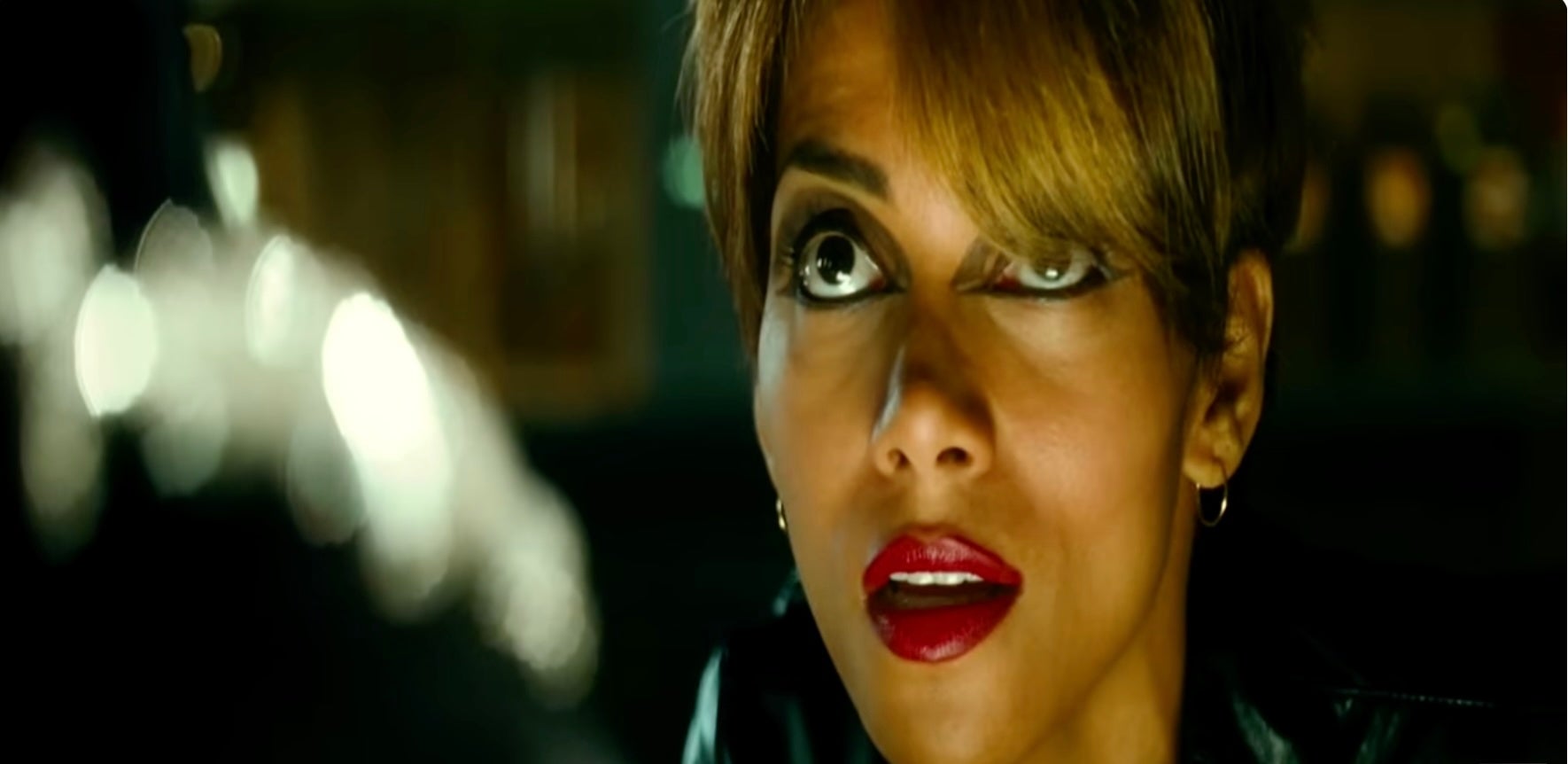
2. Halle Berry accepted a Razzie for Catwoman while holding her Best Actress Oscar, and the movie genuinely reshaped her career. The 2004 film came just two years after Berry became the first Black woman to win the award at the Oscars. Still, Catwoman bombed — pulling in about $82 million worldwide against a $100 million budget, and getting savaged by critics along the way. She showed up in person to collect her Razzie for Worst Actress. 20 years later, she's said she still feels like she carried the full weight of the backlash alone, even though the film's failure was hardly hers to bear by herself.
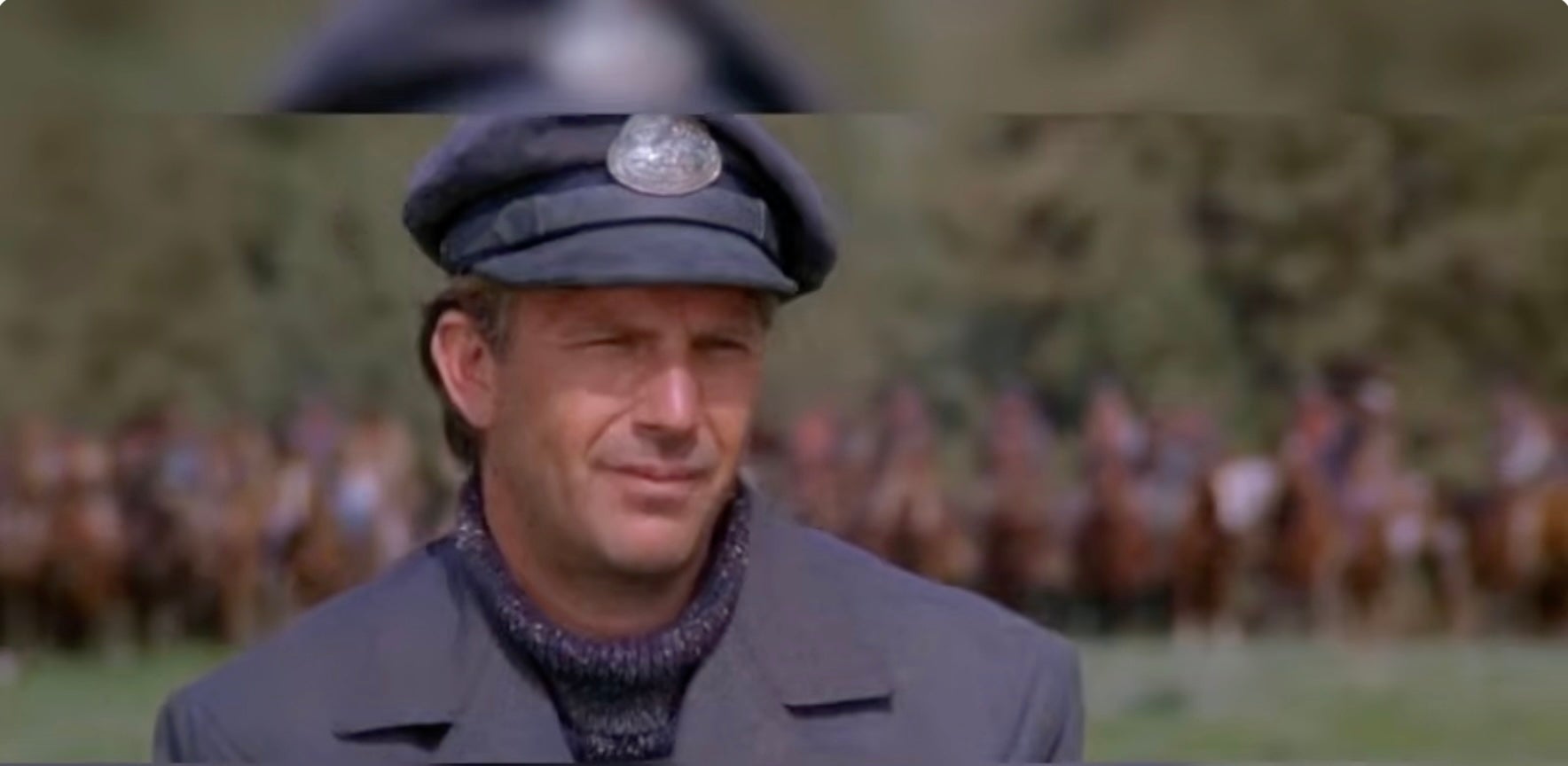
Warner Bros.3. Kevin Costner sank so much of his own money into The Postman that its failure became personal, not just professional. Released in 1997, the post-apocalyptic epic cost around $80 million to make and pulled in only about $20 million worldwide — a massive loss made worse by the fact that Costner directed and starred in it. Critics tore into both the nearly three-hour runtime and Costner's decision to cast himself as the hero, and the film swept all five of its Razzie nominations, including Worst Picture. Coming just two years after the similarly disastrous Waterworld, it left Costner's status as a bankable leading man in serious doubt for years afterward.
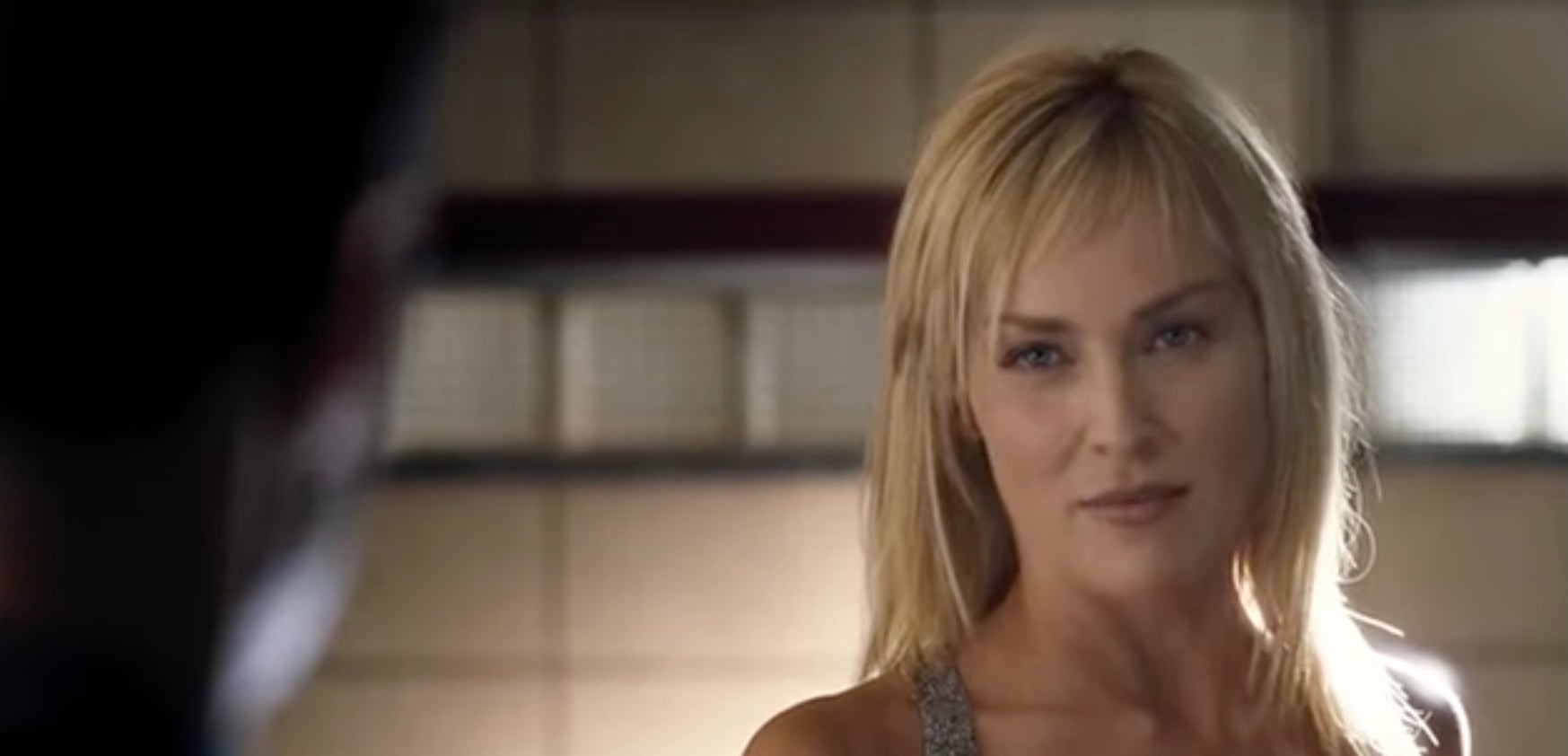
Warner Bros.4. Sharon Stone reportedly earned $13.6 million to reprise a role that ended up marking the last time a studio built a movie around her. By the time Basic Instinct 2 finally arrived in 2006, it had spent years in development limbo. When it finally released, the sequel made only about $38.6 million worldwide against a $70 million budget, a disastrous return that critics almost universally panned. Stone herself has since been blunt about how it went, joking years later that anyone attempting a reboot in the same vein deserved "good fucking luck" — a nod to just how badly the sequel undercut the goodwill from the original film's massive success.
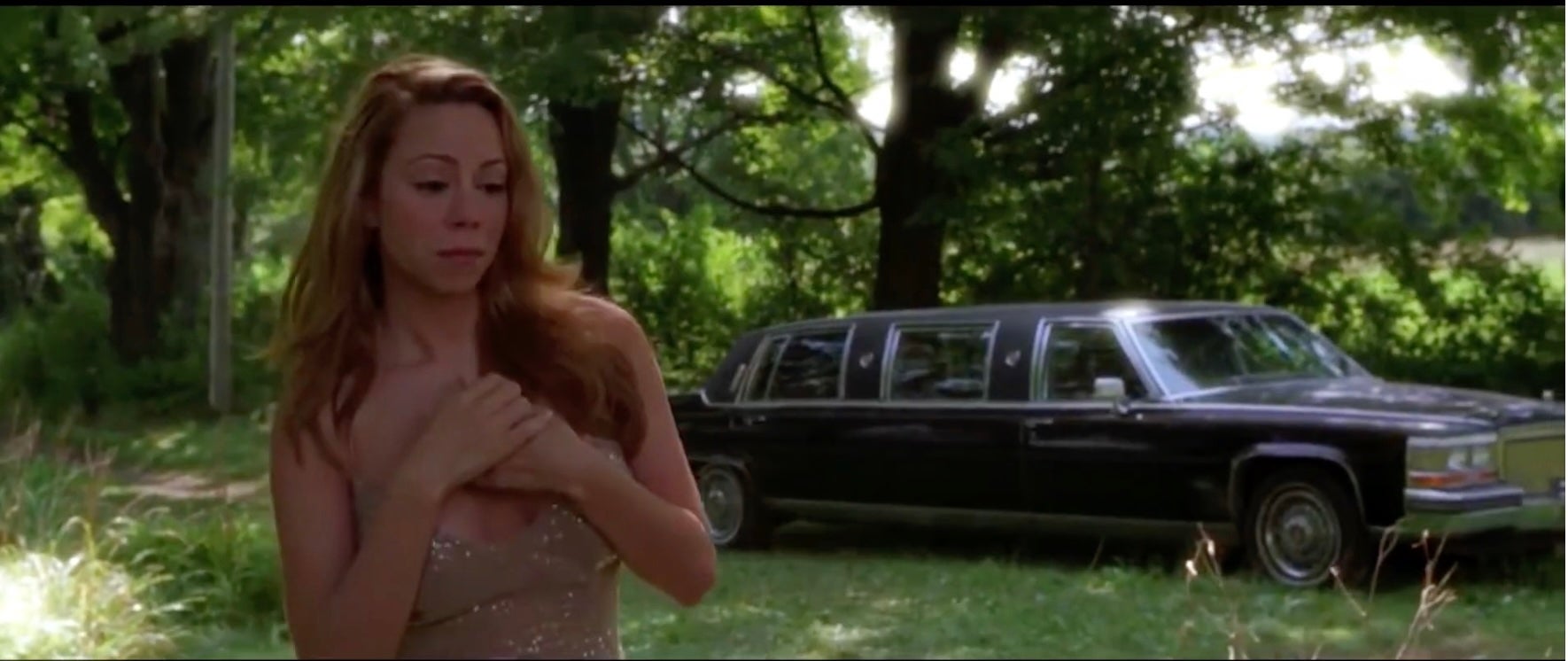
Sony5. Mariah Carey's Glitter flopped so badly, it disrupted her music career, not just her acting career. Released in September 2001, the film pulled in only about $4.3 million domestically, and both critics and audiences rejected it almost immediately. The fallout extended well past the movie itself — Carey was hospitalized for exhaustion, and the Glitter soundtrack became the worst-performing album of her career at the time. But of course, she found her way back.
20th Century Fox/Columbia Pictures
Related: "Here’s Why People Aren’t Happy About Emma Stone’s Recent Reference To The Luigi Mangione Case"
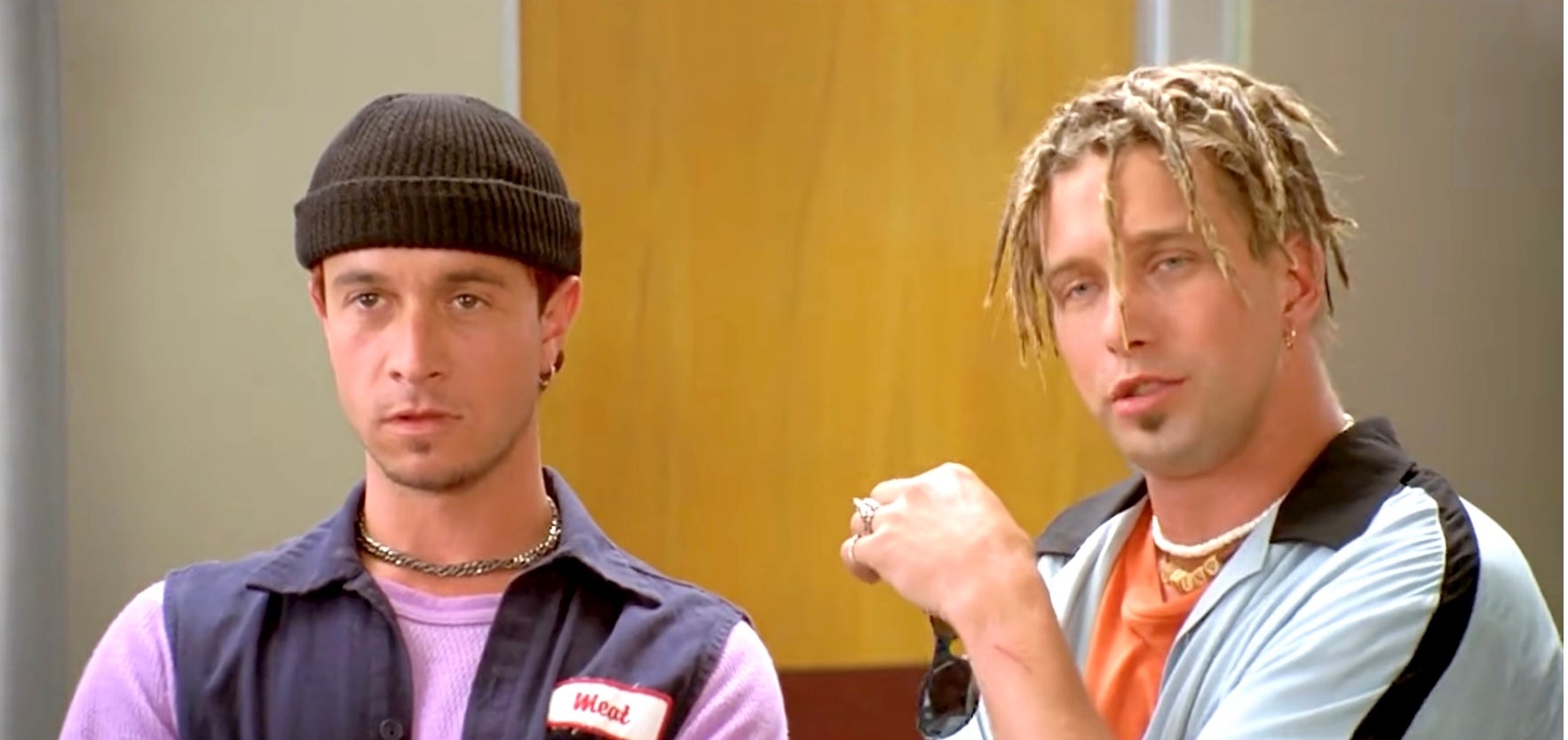
6. Pauly Shore's leading-man career effectively ended with Bio-Dome, capping five straight movies that each performed worse than the last. Following the modest success of 1992's Encino Man, Shore starred in four increasingly poorly received comedies — each one earning less at the box office and worse reviews than the one before it. Bio-Dome, released in 1996, became the final entry: it holds a Metacritic score of just 1 out of 100, one of the lowest ever recorded. Once marketing costs were factored in against its box office haul, the film effectively lost money, and it marked the last time Shore headlined a wide-release live-action film.
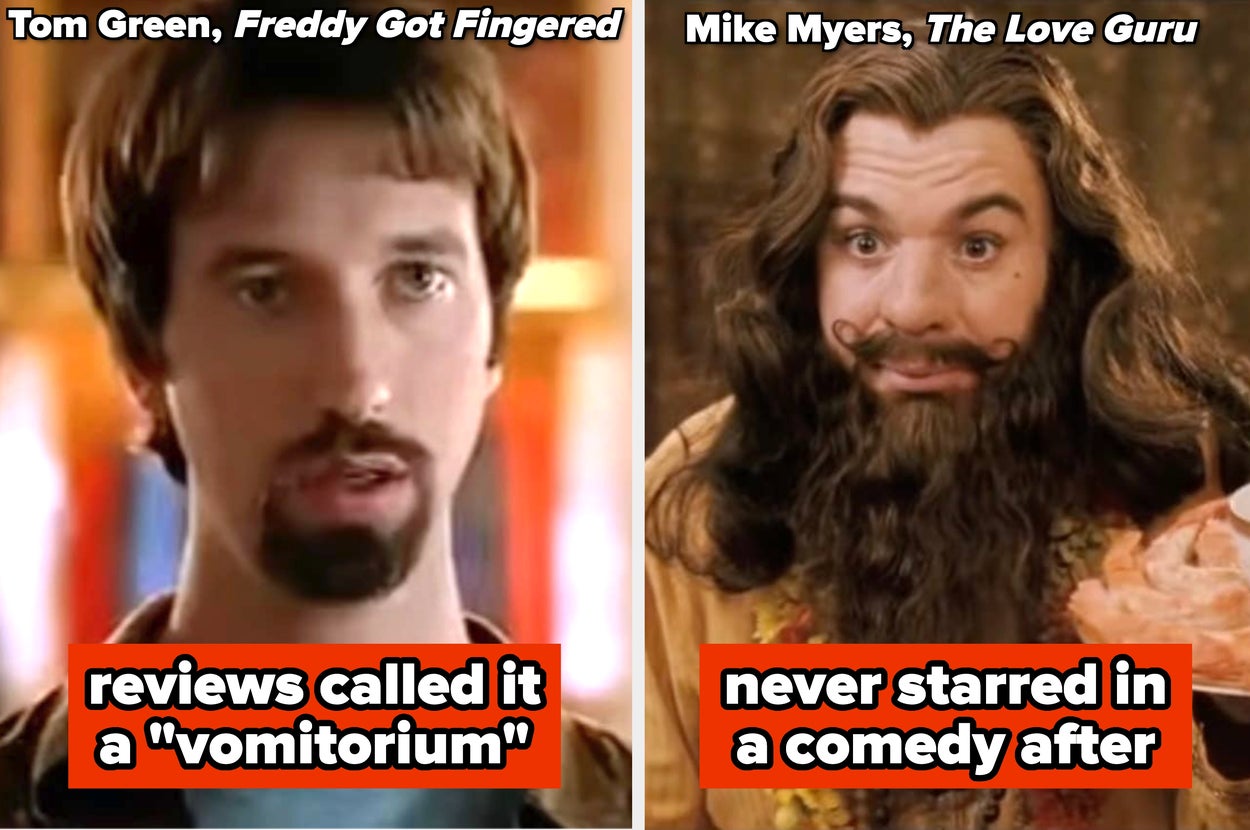
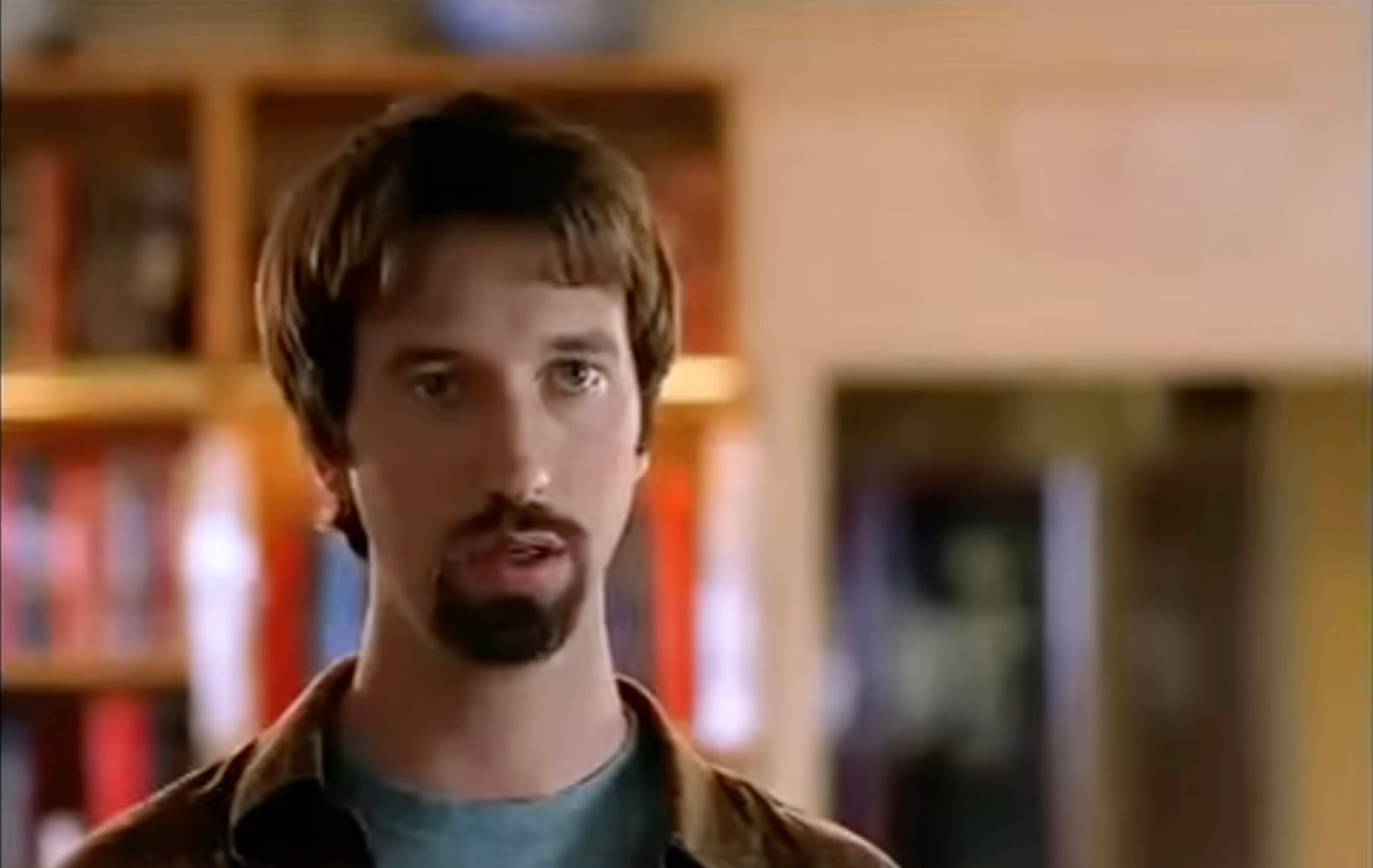
MGM7. Freddy Got Fingered didn't lose money outright, but the critical reception practically ended Tom Green's movie career anyway. Green wrote, directed, and starred in the 2001 film, which pulled in roughly $14.3 million against a $14 million budget — technically not a box office bomb by the raw numbers, something Green has pointed out himself in later interviews. But the reviews were brutal: Roger Ebert famously called it "a vomitorium," and the film swept up nine Razzies. That reception, more than the money, is what did the damage — Green has never directed or headlined another major studio film since, and his MTV show was retooled and canceled not long after. It's since developed a cult following, but that came years later.
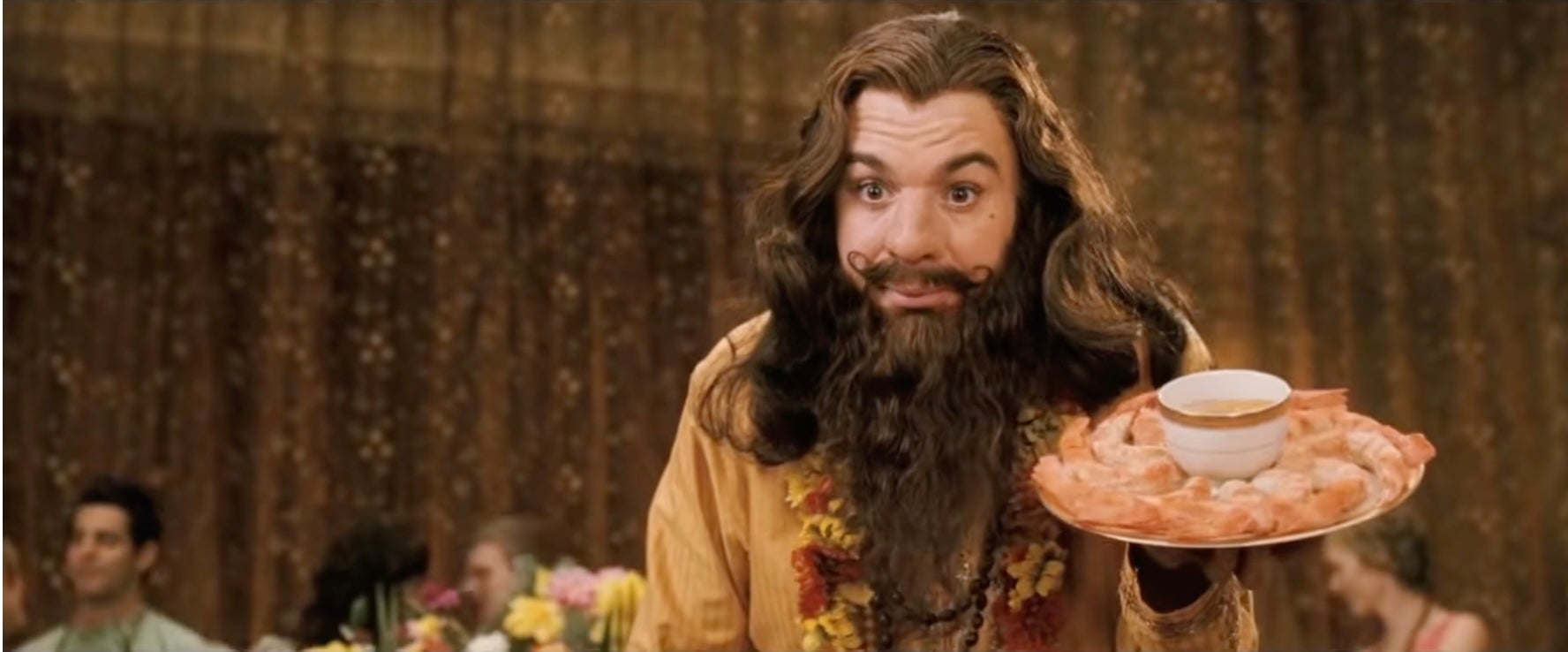
20th Century Fox8. The Love Guru was Mike Myers's last major starring role. Released in 2008 after the disastrous Cat in the Hat adaptation, the film cost around $62 million. It made only about $40 million worldwide, and picked up three Razzies along the way, including one for Myers personally. The backlash reportedly hit him hard enough that he withdrew from Hollywood for a stretch afterward, and he's never returned to a leading comedy role since — sticking mostly to voice work in the Shrek franchise and small supporting parts in other films.
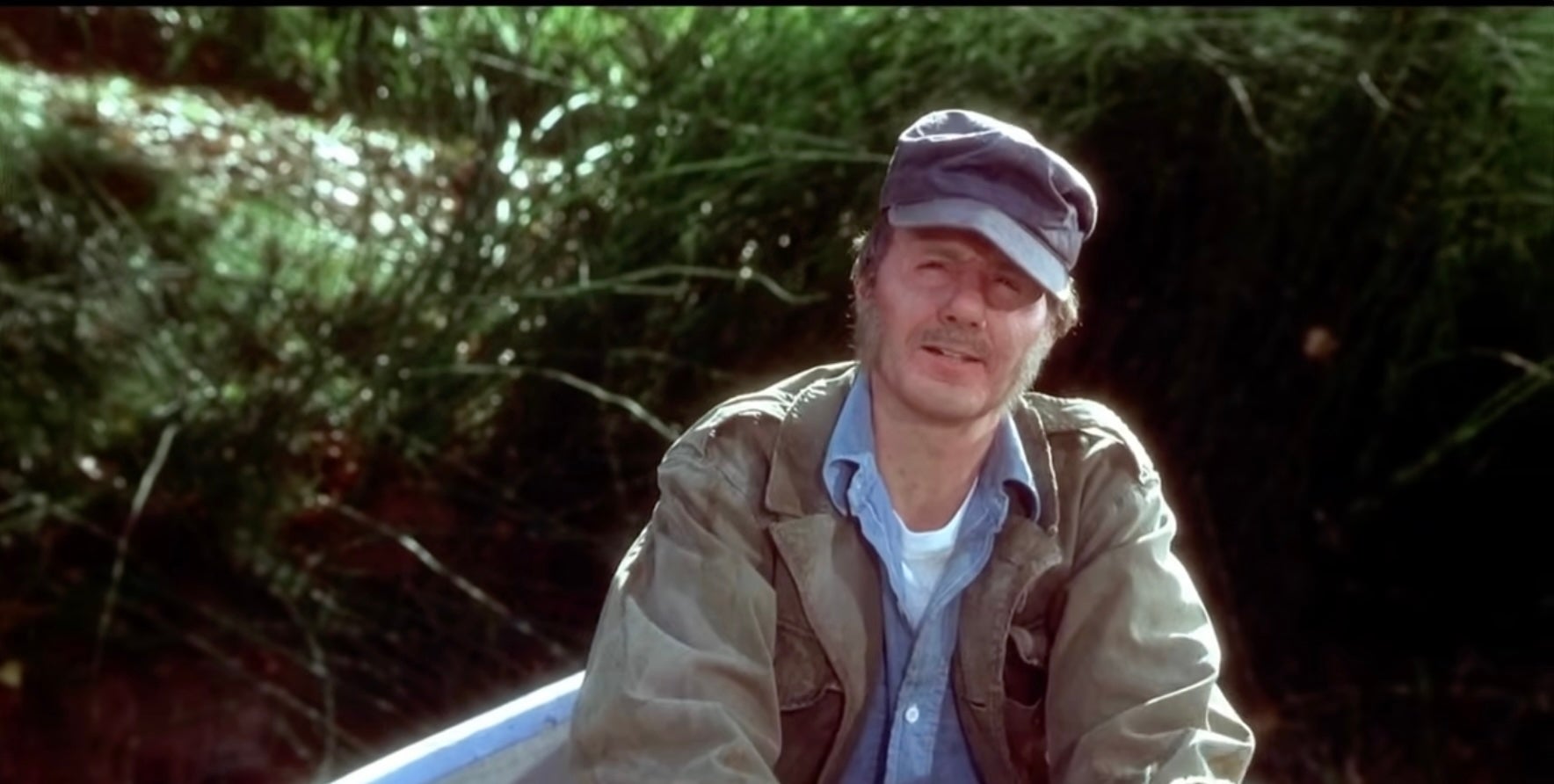
Paramount9. Released in 2002 as Carvey's first major film role in years, the comedy The Master of Disguise reportedly earned $43.4 million on a $16 million budget — a financial success by any normal measure. The reviews, though, were savage: it holds a 1% score on Rotten Tomatoes, and it's since been cited as one of the worst comedies ever made. That critical drubbing, more than the money, is what stuck — it remained Carvey's last major film role for years afterward, and he's mostly stuck to voice work, stand-up, and TV appearances ever since.
Happy Madison Productions
Related: "28 Celebrities Who Are On Complete Opposite Ends Of The Marriage Spectrum"
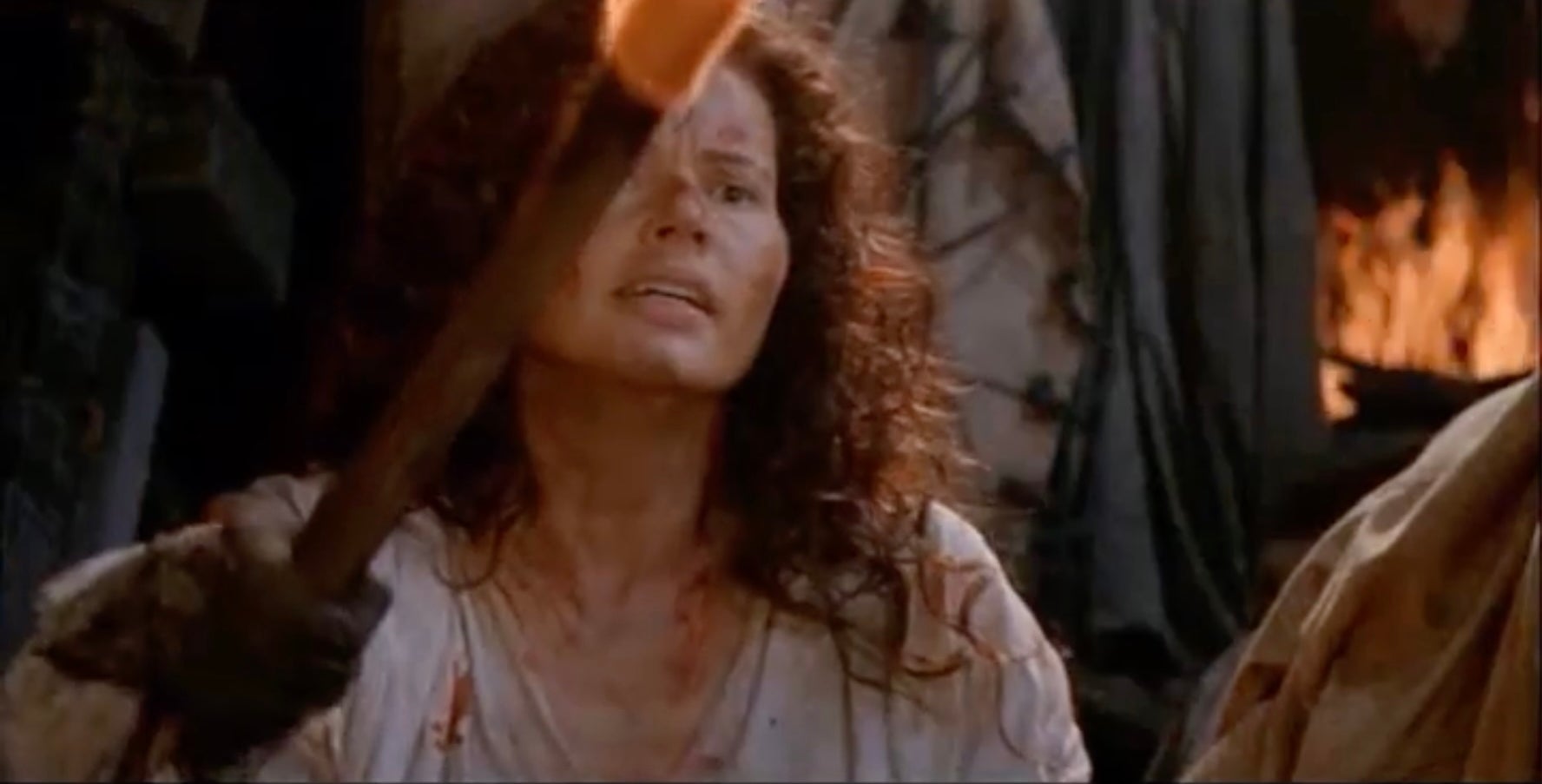
10. Cutthroat Island is remembered as the movie that sank a studio and Geena Davis's career. Costing almost $100 million to make, the 1995 pirate film earned only about $18.5 million worldwide, and Carolco Pictures — the studio behind it — filed for bankruptcy just weeks before it even hit theaters. The failure is widely cited as one of the biggest box office bombs of all time, and it's often blamed for taking Carolco down with it. Davis herself has directly pushed back on that framing, telling The New Yorker that the company "was pretty much finished" before filming even started. Whatever the actual cause, her own career slowed dramatically afterward — she had only three film roles total between 1999 and 2006, all from the Stuart Little franchise.
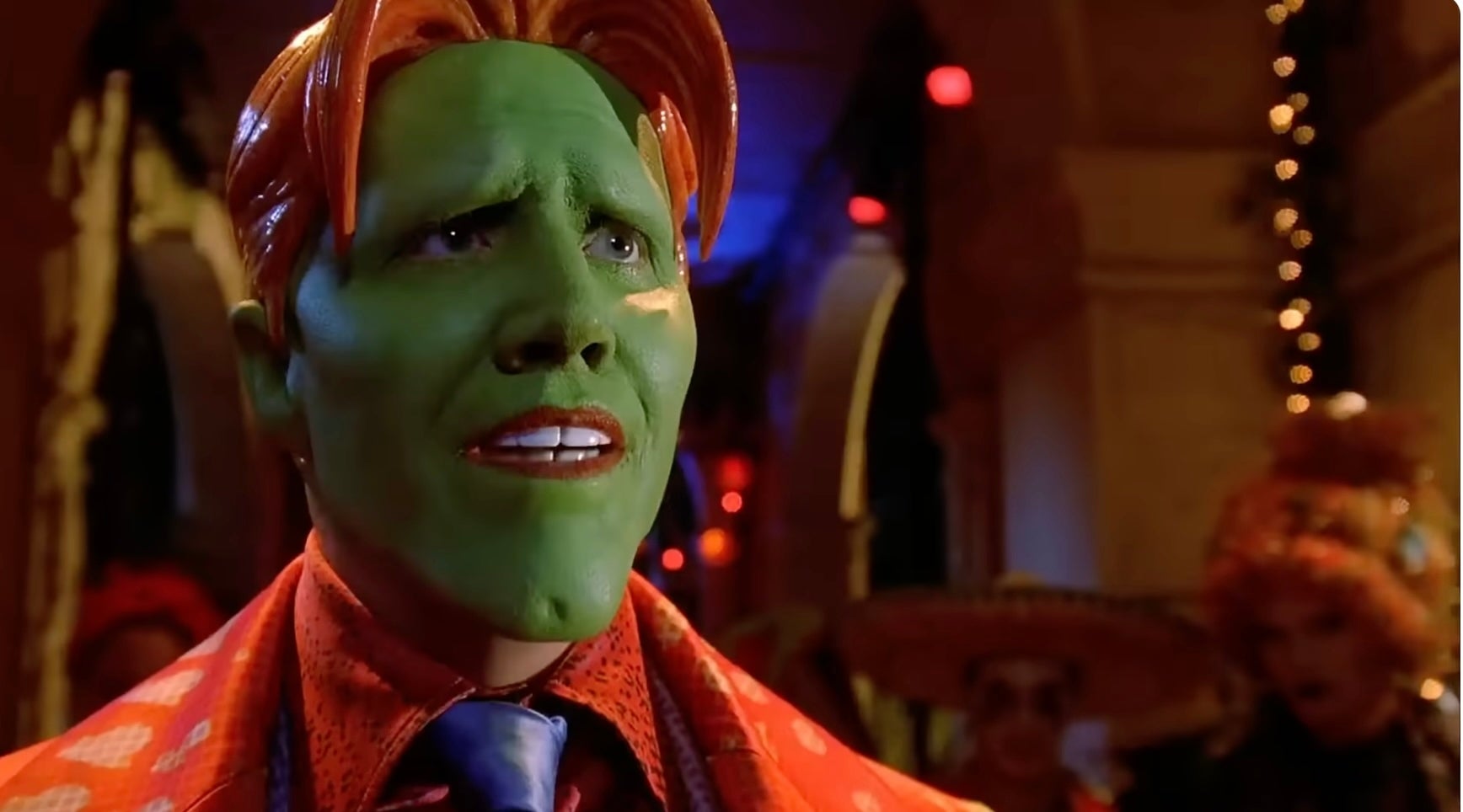
Carolco Pictures11. Jamie Kennedy went from Scream franchise fame to a Golden Raspberry nomination in the span of one movie. Cast as the lead in 2005's Son of the Mask, replacing Jim Carrey in a follow-up to the hit original, Kennedy took over a film that ultimately earned only about $58 million worldwide against an $84 million budget. Those numbers make it a bomb, critics tore it apart, and Kennedy himself picked up a Worst Actor Razzie nomination. He's since mainly shifted to direct-to-DVD and TV work afterward, not returning to a theatrical lead role for roughly five years.
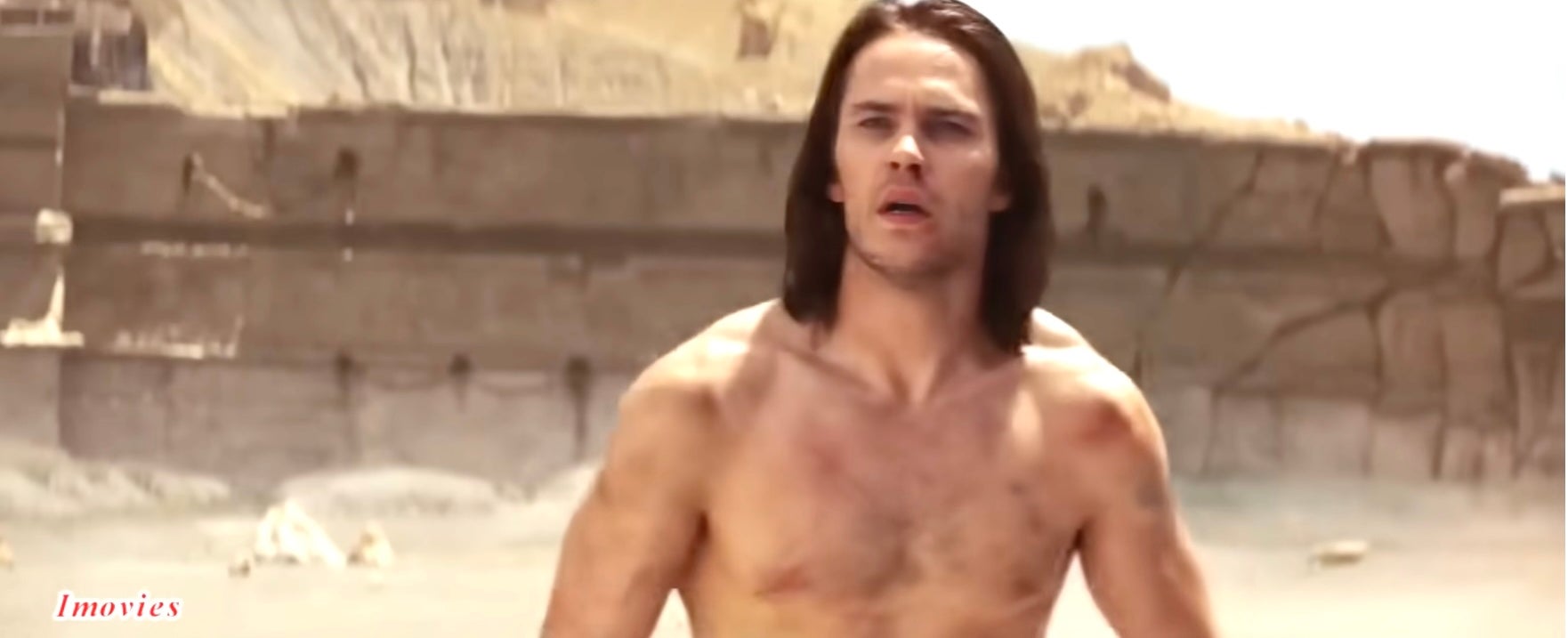
New Line Cinema12. Taylor Kitsch headlined two of the biggest box office bombs of 2012, just two months apart. Disney's John Carter launched first, in March, with an over $250 million budget that produced just a $30 million domestic opening weekend. Two months later, Kitsch starred in Battleship, a $200 million board-game adaptation that opened even worse domestically, at roughly $25 million, though it clawed back some ground overseas. Between the two, Kitsch went from a rising star fresh off Friday Night Lights and X-Men Origins: Wolverine to the actor journalists were joking needed a new agent, and it took him years — and a strong supporting turn in True Detective — to rebuild.
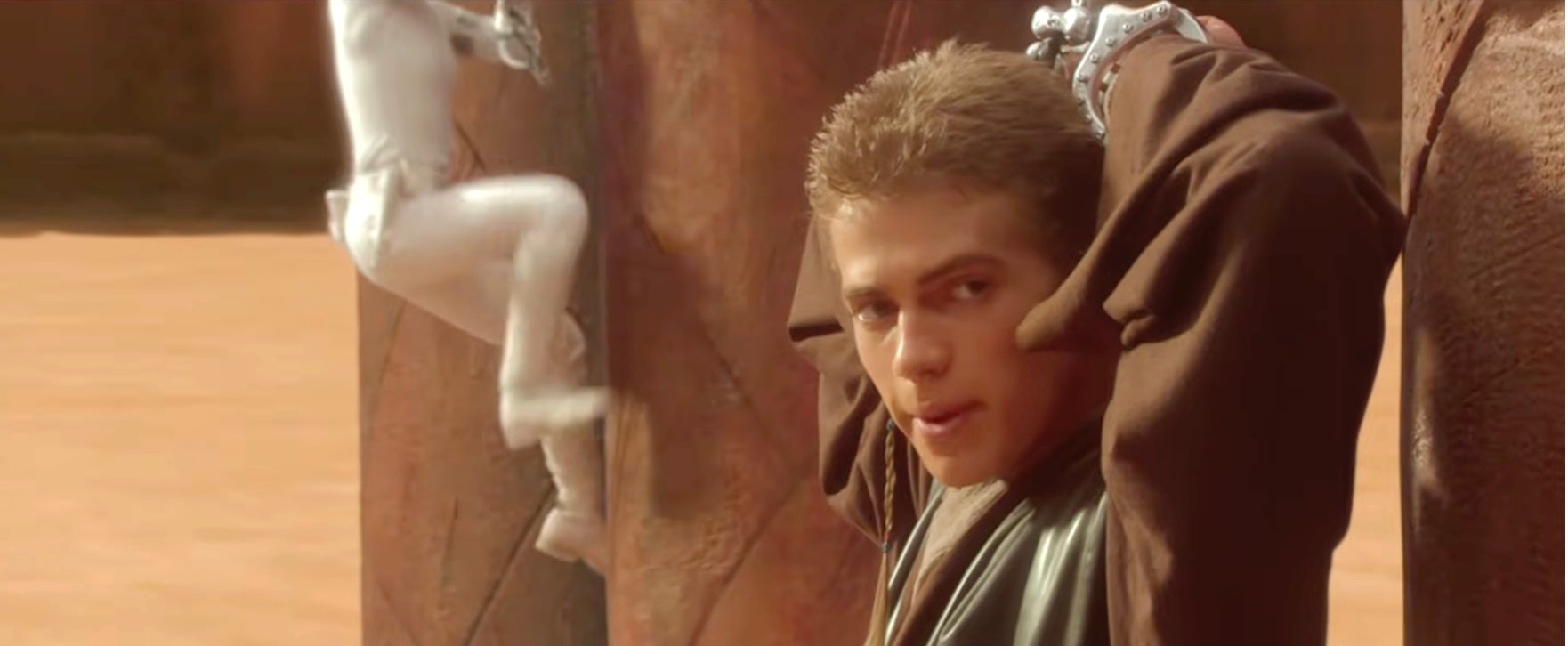
Walt Disney Pictures13. Hayden Christensen won a Razzie for his Star Wars prequel performance, and the backlash followed him for over a decade. Cast as Anakin Skywalker at just 19, Christensen came into the role fresh off award-nominated acclaim for Life as a House — but his performances in the film Attack of the Clones and Revenge of the Sith were widely mocked as wooden, and he took home a Golden Raspberry for it. The reputation stuck hard enough that it wasn't until his 2022 return as Vader in Obi-Wan Kenobi that his standing with fans genuinely turned around.
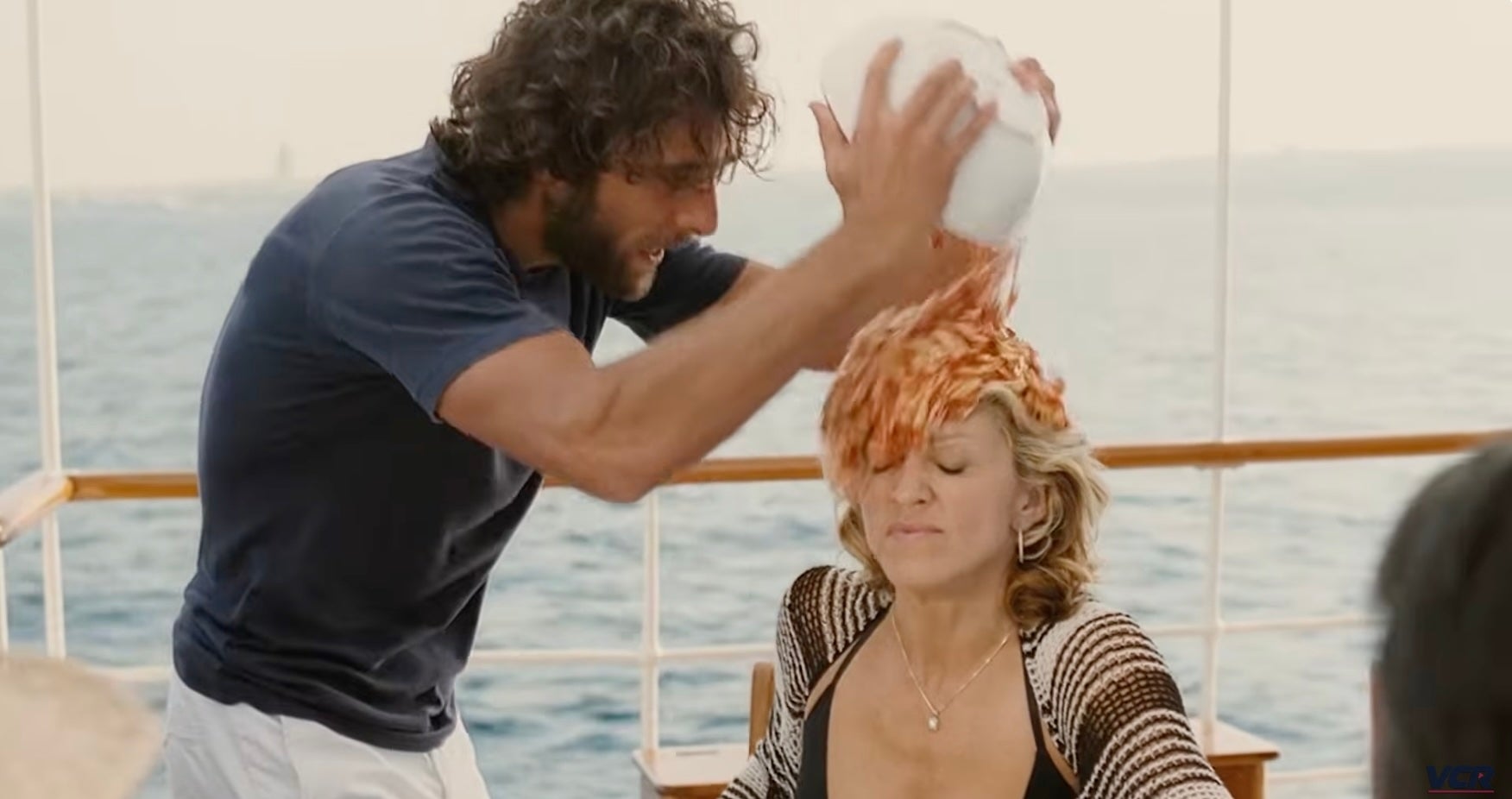
20th Century Fox14. Swept Away made $1 million worldwide and swept the Razzies, marking the end of Madonna's theatrical acting career. Directed by her then-husband, Guy Ritchie, on a $10 million budget, the 2002 remake became the biggest winner at the following year's Razzies — taking home five awards, including Worst Picture, Worst Actress for Madonna, and Worst Director for Ritchie. He has pushed back on how personal the backlash got, later reflecting that jumping outside her usual creative territory got them "punished for it" — but Swept Away effectively marked the end of Madonna's run as a leading film actress.
Sony/Screen Gems
Related: "Can You Get At Least 40% On This Pop Culture \"Jeopardy\" Quiz?"
Advertisement
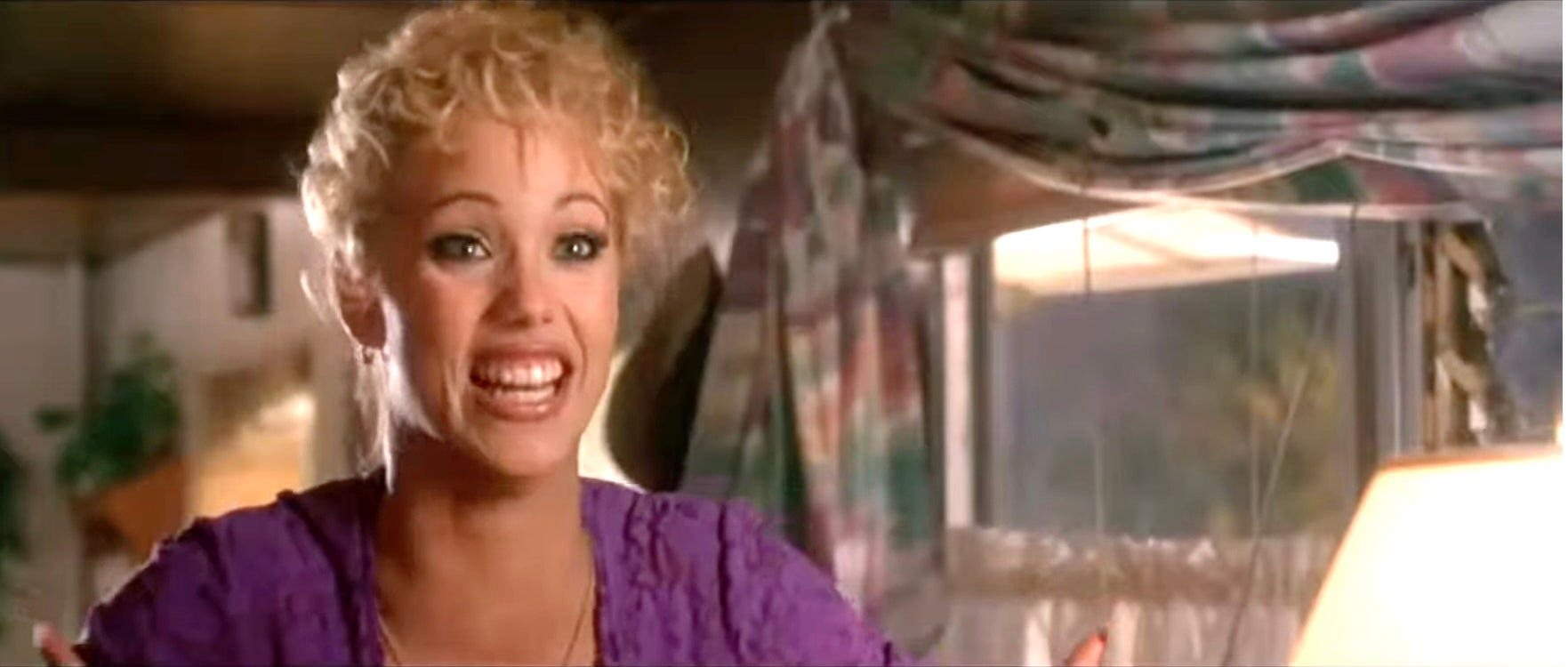
15. Elizabeth Berkley thought Showgirlsmight win her an Oscar — instead, she got dropped by her agency and locked out of auditions for years. Released in 1995 as her first major film role after Saved by the Bell, the film earned around $37 million on a $45 million budget and became a critical punching bag. Berkley took the brunt of it personally — her talent agency dropped her and has said she wasn't allowed to audition for years afterward. Decades later, director Paul Verhoeven publicly apologized to her.
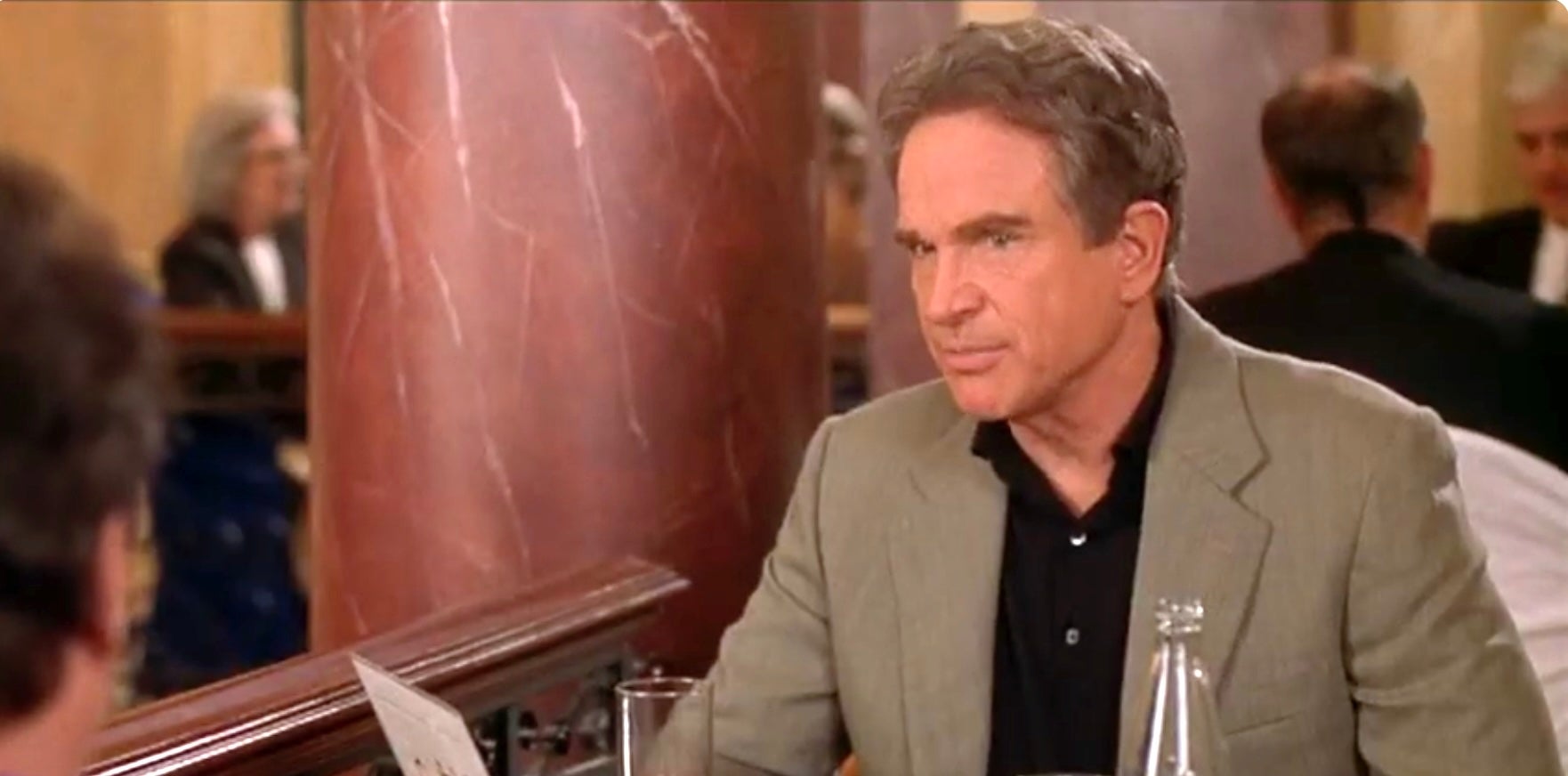
United Artists16. Finally, Town & Country was such a disaster, it kept Warren Beatty off the big screen for 15 years. The 2001 romantic comedy — reuniting Beatty with Reds costar Diane Keaton — reportedly spent almost three years in troubled production, with its release date pushed back a dozen times before finally hitting theaters. It made only about $10.3 million worldwide against a $90–105 million budget, recouping roughly a tenth of what it cost, and critics savaged it just as thoroughly as audiences ignored it. It remains one of the biggest box-office bombs in Hollywood history, and Beatty didn't appear on-screen again until 2016'sRules Don't Apply.
New Line CinemaHollywood's a forgiving town — until it isn't. For these people, one movie was all it took.Let us know your thoughts in the comments below!
Your daily brain workout: This 25-Word Mega Word Chain Is So Hard That Only Actual Geniuses Can Solve It
Also in Celebrity: "11 Celebrities Who Killed Other Celebrities"
Also in Celebrity: "27 Terrible Movies That Ended — Or Almost Ended — Actors' Careers"
Read it on BuzzFeed.com
Source: “AOL Entertainment”
