


Amazon, Target holiday catalogs are in NJ mailboxes, homage to Sears
Amazon, Target holiday catalogs are in NJ mailboxes, homage to Sears

Daniel Munoz, NorthJersey.comThu, October 15, 2026 at 10:07 AM UTC
0
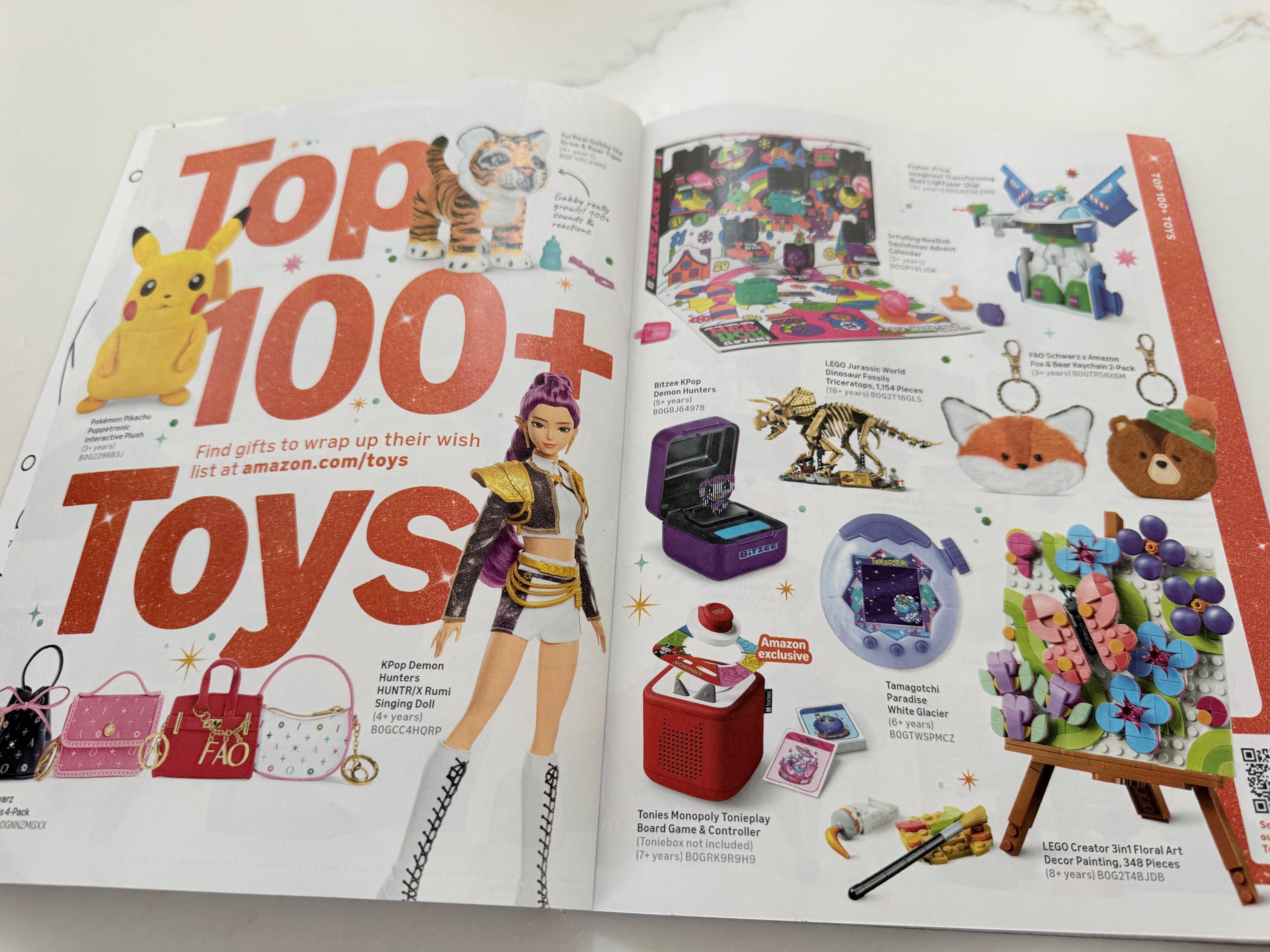
Big box store Target and online shopping giant Amazon recently introduced their catalogs for the upcoming holiday shopping season — a move some historians say pays homage to the once popular Toys R Us and Sears catalogs as retail navigates life after the COVID-19 pandemic.
On Oct. 5, Target introduced its annual digital and print “holiday kids catalog,” which lets users browse an estimated 500 toys and games, “watch demonstrations, explore video reviews and discover many products.”
Target first rolled out the holiday toy catalog in 2018 in the aftermath of the Toys R US bankruptcy, tech news publication Ars Technica reported.
Also on Oct. 5, Amazon unveiled its annual “Holiday Kids Gift Book,” which features more than 600 toys and gifts for children. A digital PDF of the Amazon catalog is available online, and it's also available in limited quantity in print.
Consumers can download a digital copy of the Amazon catalog or get one of the print books in the mail.
Story continues below photo gallery
Both retailers' catalogs feature QR codes for many of their products.
Using the Amazon app, customers can scan the code in the catalog, then add it to their online shopping cart. With the Target catalog, users scan the QR code, which redirects them to the Target app.
“Families tend to use the catalogs for inspiration, and they’ll often mark what they want to buy. However, there are links to purchasing online so consumers are always drawn back to the website,” said Neil Saunders, a retail analyst and managing director of GlobalData, a market intelligence and analytics company.
Sears catalog dates to the 1890s
Mail-order catalogs date back to the late 19th century amid industrialization and the mass, standardized production of finished products. Trains also played a key role as an increasingly reliable means to transport goods, said Einav Rabinovitch-Fox, author of “Dressed for Freedom: The Fashionable Politics of American Feminism.”
The mail-order catalog — particularly the Sears catalog — was essentially “like shopping online, and they were particularly popular in rural communities that lacked easy access to stores," said Rabinovitch-Fox, who previously taught history at Case Western Reserve University in Ohio.
History.com writer Sarah Pruitt describes the Sears catalog as “the Amazon.com of its time — packaged in hundreds of pages.”
“We have seen so much nostalgia in the marketplace,” said Thomaï Serdari, a strategist in luxury marketing and branding who teaches at the NYU Stern School of Business in Manhattan. “A lot of people are thinking about different eras of retail. They’re thinking about specific decades.”
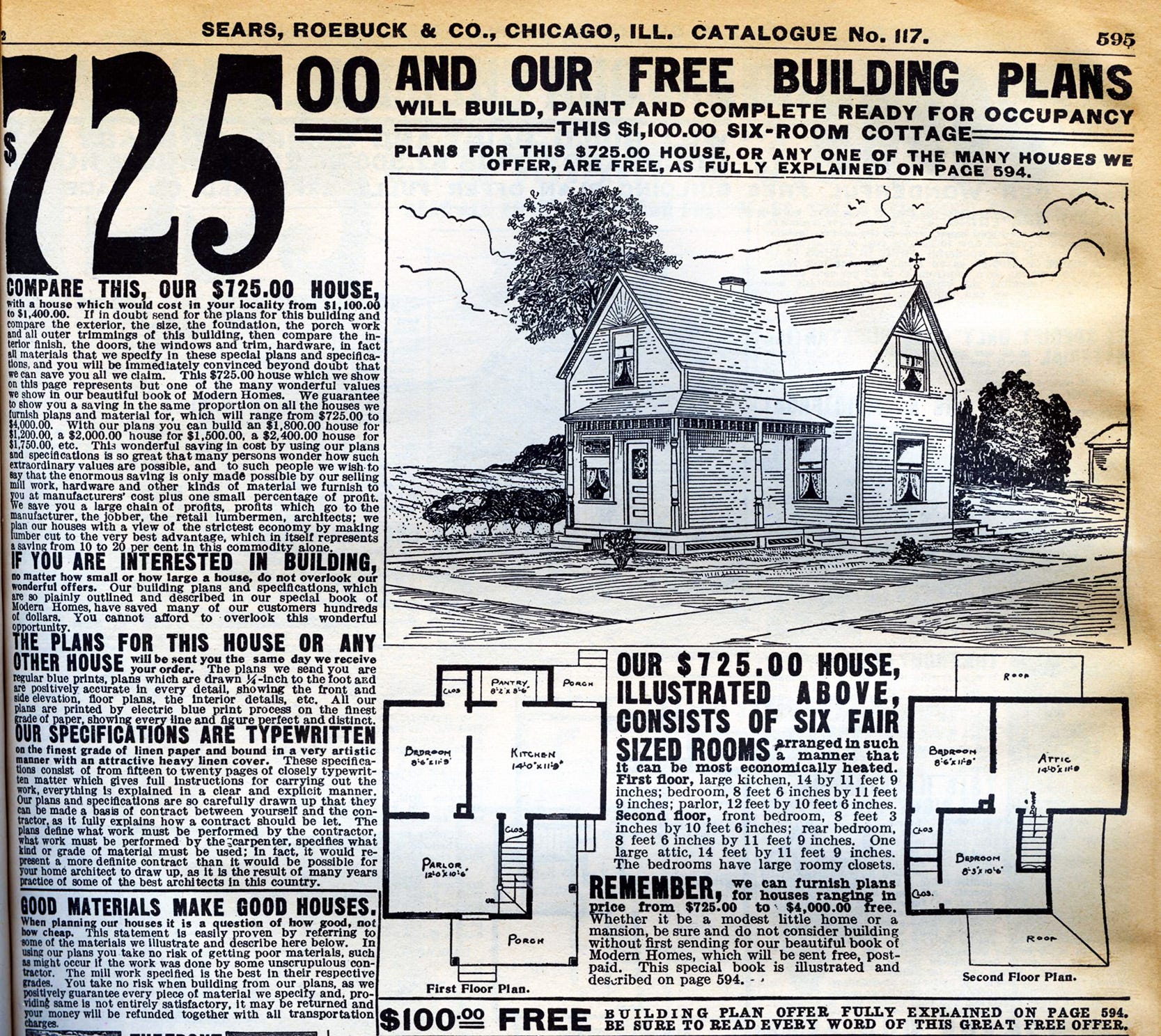
The Sears catalog was launched in the 1890s and included hundreds of pages advertising “everything from underwear to entire house kits,” Pruitt continued.
Sears would advertise entire pre-fabricated homes that could be shipped “pre-cut and ready to assemble.” Upwards of 75,000 homes were shipped and built between 1908 and 1940, Pruitt wrote.
Those catalogs were also popular among African Americans “who were often not allowed to shop or try on clothes in the segregated cities of the South,” and in many parts of the North too, Rabinovitch-Fox said.
“There is a lot of sentimentality with a hard copy catalog that is delivered at your doorstep," Serdari said. "The internet can also be a very large place to navigate, so unless you are in a search for a specific thing, a catalog is more convenient.”
Sears began opening stores in the 1920s, offering less expensive essential goods like socks, towels and beddings. It began anchoring suburban shopping centers in the 1950s. In the 1960s, it unveiled a Christmas-themed catalog known as the “Wish Book,” packed with hundreds of pages of toys, as well as gifts for adults.
Ironically, the big box stores reviving the catalogs are the ones that brought about the catalog's downfall with their steep discounts, Pruitt wrote. Sears lost its retail dominance to Walmart in 1991, and the catalog closed two years later.
The market for nostalgia is still there. A 1993 Toys R Us catalog is going for $89.95 on eBay, while on the same website, a 1972 Sears catalog goes for $190.
Daniel Munoz covers business, consumer affairs, labor and the economy for NorthJersey.com and The Record.
Email: munozd@northjersey.com; Twitter/X:@danielmunoz100,Facebookand Instagram
This article originally appeared on NorthJersey.com: Amazon, Target holiday catalogs are in NJ mailboxes, homage to Sears
Source: “AOL Money”
