


New 50% tariffs on Canadian goods are scheduled to take effect at midnight
New 50% tariffs on Canadian goods are scheduled to take effect at midnight

Ben WerschkulTue, August 18, 2026 at 3:02 PM UTC
0
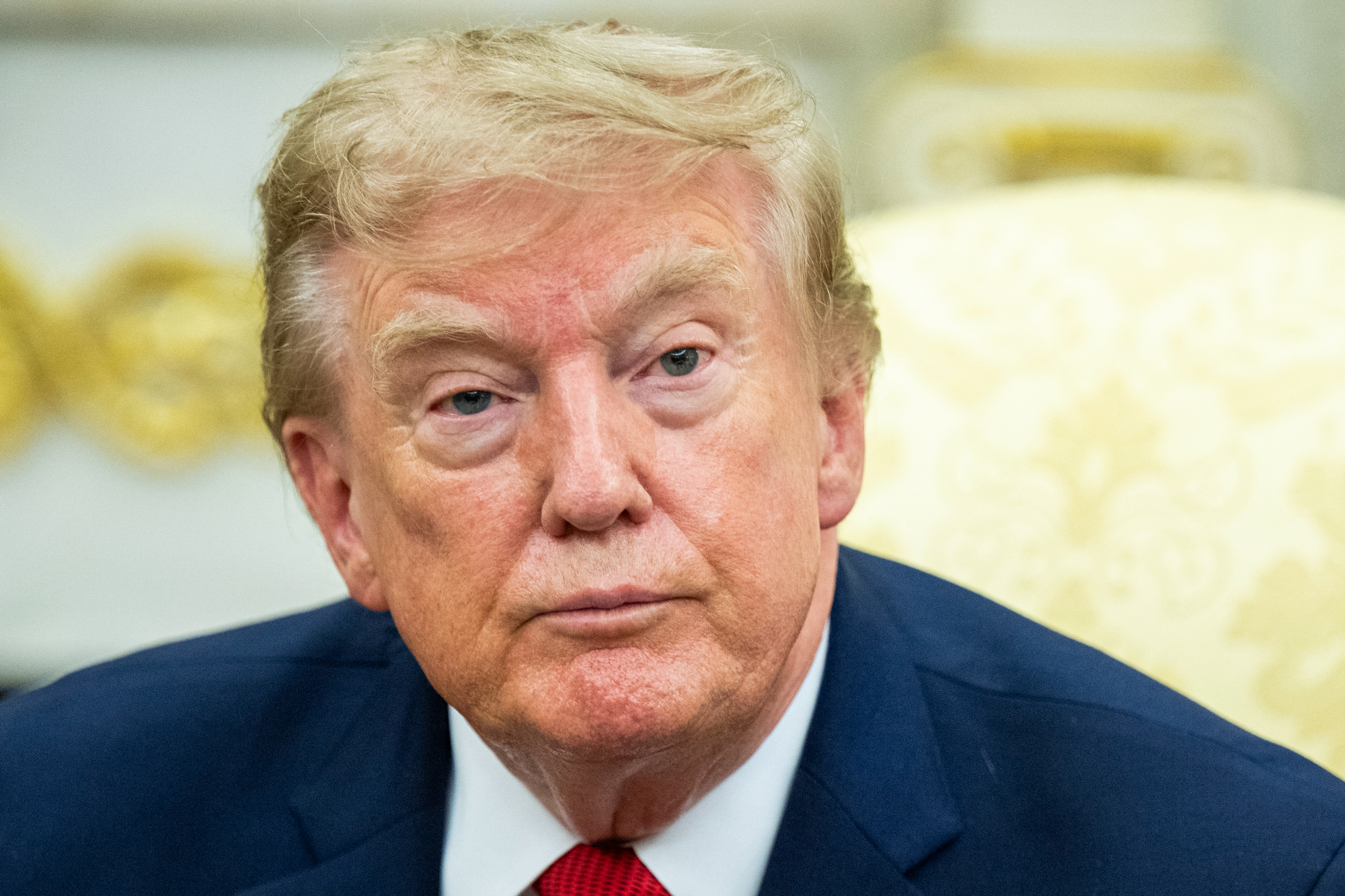
A suite of new tariffs on Canadian goods is set to take effect at midnight tonight unless ongoing talks between President Trump and Canadian Prime Minister Mark Carney and their teams yield a path to averting the new duties.
Last month, Trump announced 50% tariffs on a range of Canadian goods in response to what the US claims are discriminatory trade practices around automobiles, alcohol, and dairy products.
The new tariffs could have limited immediate macroeconomic effects — analyses have shown they apply to only about 5% of Canadian goods that the US imported last year — but success or failure this week could provide a major signal about the prospects for renewal of the US-Mexico-Canada Trade Agreement (USMCA).
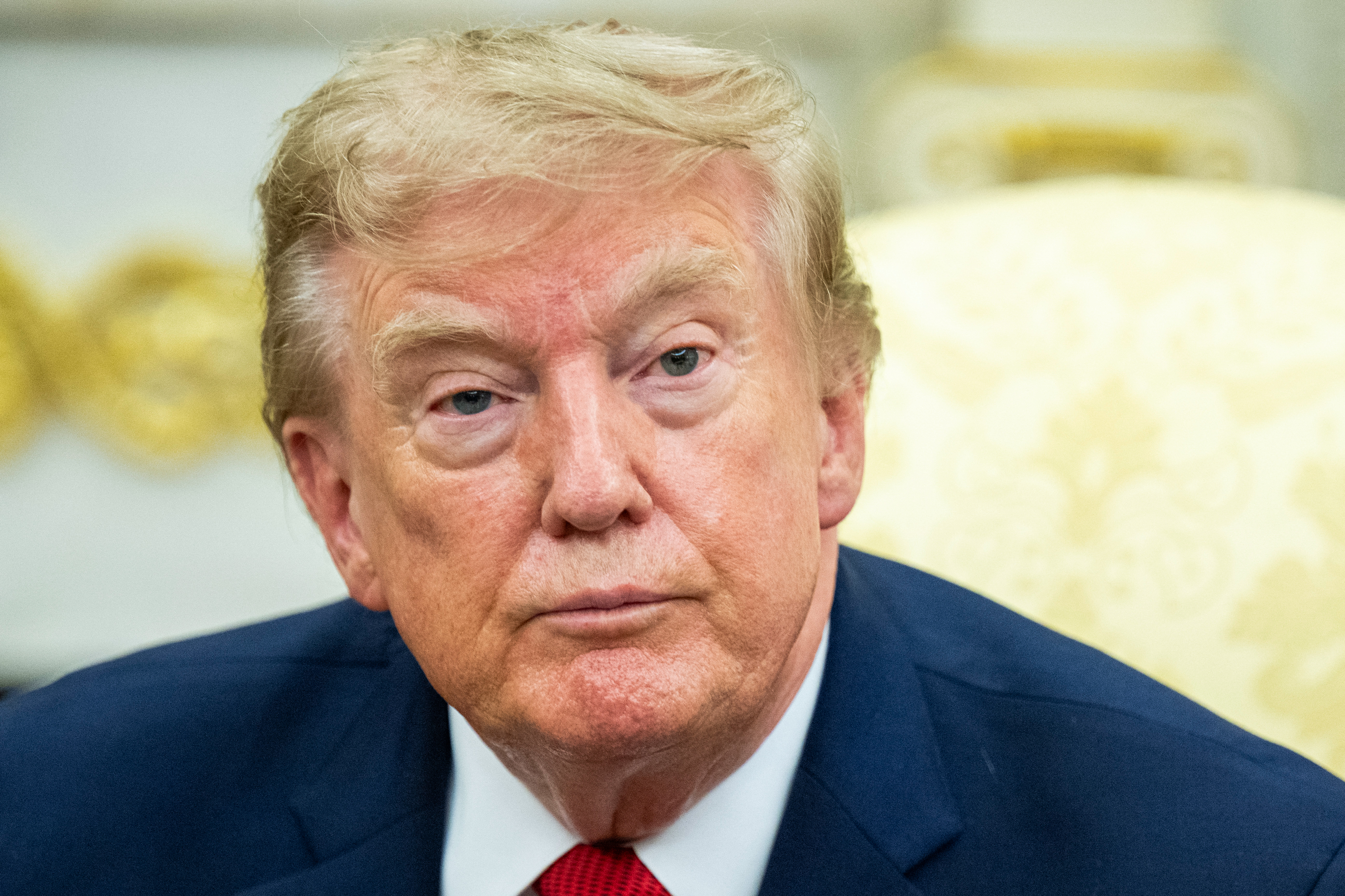
President Trump is seen in the Oval Office of the White House on Monday. (Jim Watson/AFP via Getty Images)
Canadian Prime Minister Mark Carney described the current talks to reporters Monday as "very intense and delicate." A meeting in Washington on Monday ended with Canada's Trade Minister Dominic LeBlanc telling reporters that "our job is not yet done."
US Trade Representative Jamieson Greer has offered little insight into the US position, telling reporters in Iowa last week that talks have been constructive, but "there are a lot of issues."
"My sense is the Canadians want to have a more conciliatory approach, but we'll see," Greer added.
Read more: 5 ways to tariff-proof your finances
A search for concessions on both sides
The talks have centered on concessions, including the US potentially lessening duties on Canadian metals, lumber, and auto components in return for changes to Canadian market access to US goods, such as dairy products, and a reduction of retaliatory tariffs.
But the talks have been tense. Greer described Canada's retaliation against US tariffs last week as "the kind of things that China would do." The Trump team often notes that only Canada and China have retaliated against Trump's new tariffs during his second term.
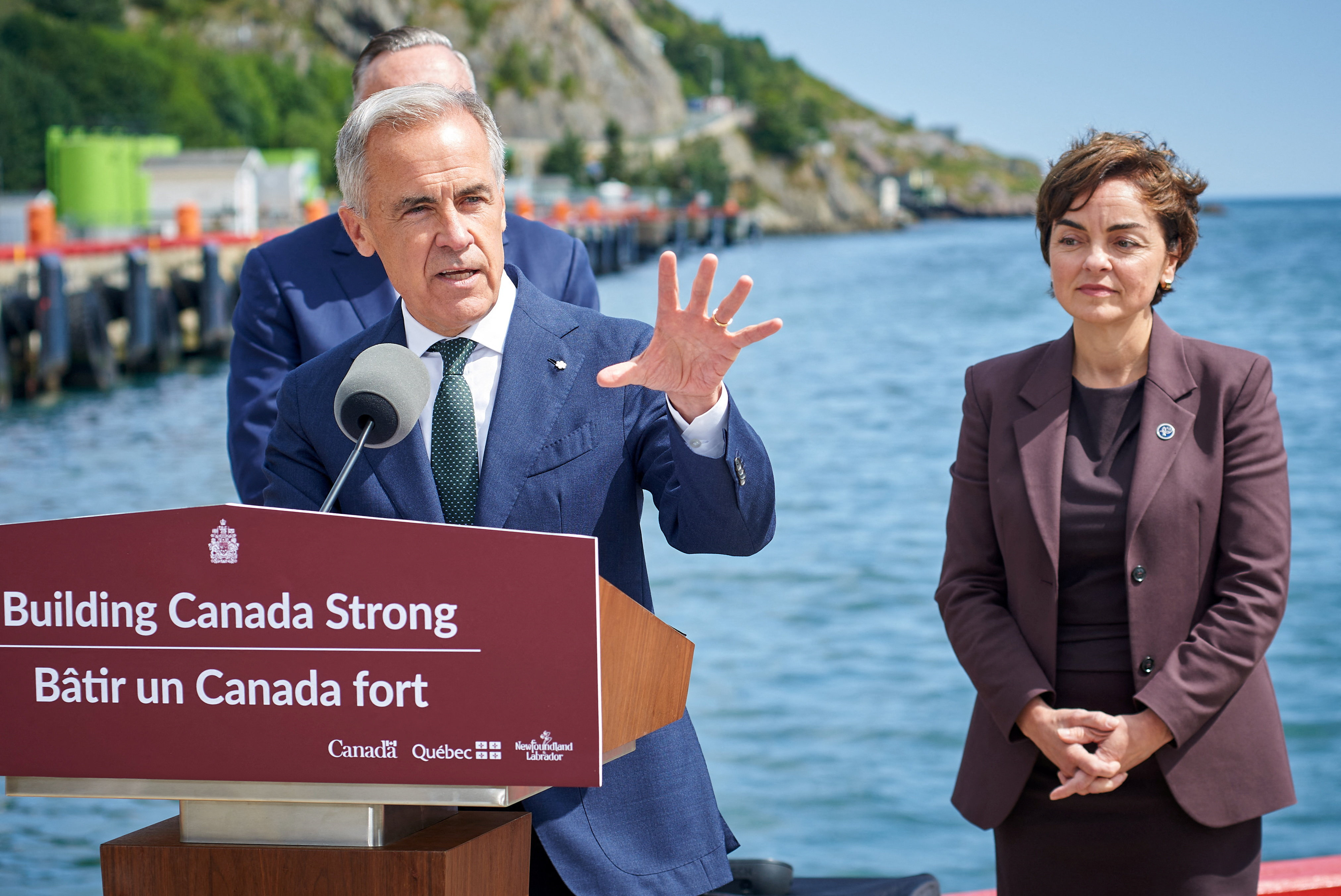
Canadian Prime Minister Mark Carney speaks next to Quebec Premier Christine Frechette at the announcement of a Quebec-Newfoundland hydro agreement in St. John's, Canada, on Monday. (Reuters/Greg Locke)
One flash point: Canadian restrictions on US wines and liquors, though there is some optimism that a deal could return a significant number of US spirits to Canadian shelves.
Canadian officials have expressed cautious optimism that a deal can be struck, even as people familiar with the talks told Bloomberg this week that the auto sector remains a key sticking point.
Advertisement
The tariffs, if they go forward, are set to be levied under Section 338 of the Tariff Act of 1930, which allows tariffs of up to 50%.
Neil Herrington, a senior vice president at the Canadian Chamber of Commerce, warned in a new statement Tuesday that "the introduction of higher tariffs would damage both economies, drive up costs for U.S. families, further disrupt critical supply chains, and risk the 13 million American jobs that depend on trade under the U.S.-Mexico-Canada Trade Agreement."
Read more: What Trump's tariffs mean for the economy and your wallet
A risk of 'reigniting a tit-for-tat trade war'
Beyond affecting short-term tariff rates, any areas of agreement (or lack thereof) that emerge from the current talks could send signals about future negotiations on the USMCA, which was not renewed in July.
That landmark trade agreement is in a sort of limbo that could stretch for months or even years. The pact has now entered a period of annual reviews and will expire completely on July 1, 2036, if a new agreement isn't reached.
Indeed, an analysis from Capital Economics this week warned that a lack of a deal could have significant short-term effects for the Canadian economy and "also risks stalling [USMCA] renegotiations by reigniting a tit-for-tat trade war, hurting business confidence and slowing growth."
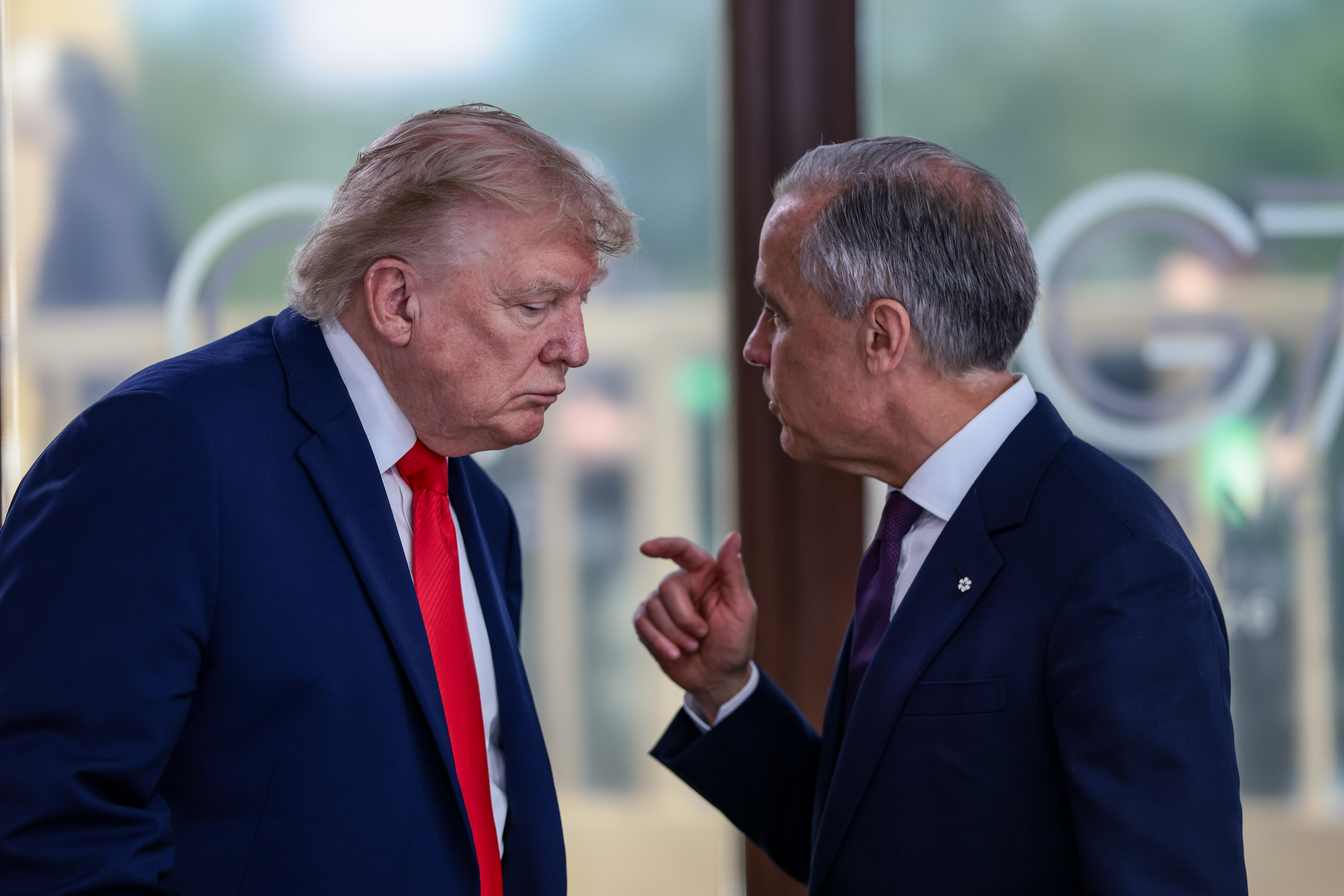
President Trump and Canadian Prime Minister Mark Carney speak in June in France. (Evelyn Hockstein/)
Tobin Marcus of Wolfe Research wrote in a recent note to clients that, for now, his expectation of the talks is "a simpler punt of tariff threats."
"We think Trump will be reluctant to cut a bigger deal with Canada at this stage, preferring instead to focus on a narrower off-ramp," he wrote.
Marcus's base case is that the threatened 50% tariffs will be delayed, but only in a limited deal that does little to change larger tariffs on autos, steel, aluminum, and lumber for now.
Ben Werschkul is a Washington correspondent for Yahoo Finance.
Click here for political news related to business and money policies that will shape tomorrow's stock prices
Read the latest financial and business news from Yahoo Finance
Source: “AOL Money”
